
Building a year-long anti-bullying prevention plan (September to June)
From September to June, the key actions to prevent bullying in your school: assessment, key events, follow-up and review.



From September to June, the key actions to prevent bullying in your school: assessment, key events, follow-up and review.

Fake nudes, doctored videos, cloned voices: how AI is fuelling school bullying, what the law says and how to protect students.

Understanding “friendly” bullying, a hidden form of violence within close-knit groups, its mechanisms and impacts.

Discover how school cafeterias reveal often invisible dynamics of exclusion and their role in bullying among students. Analysis and educational implications.
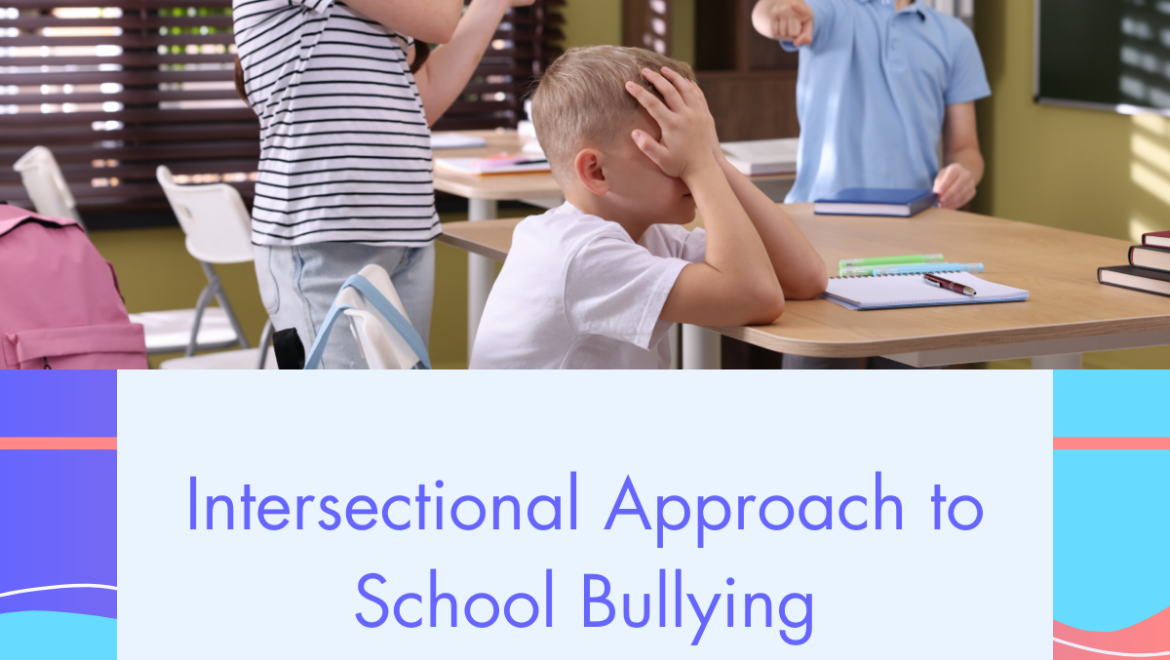
Discover how the intersectional approach helps analyze school bullying and better understand students’ cumulative vulnerabilities for more targeted and inclusive interventions.

Discover how Social Dominance Theory explains the dynamics of school bullying. Explore the invisible hierarchies that govern teenage relationships.
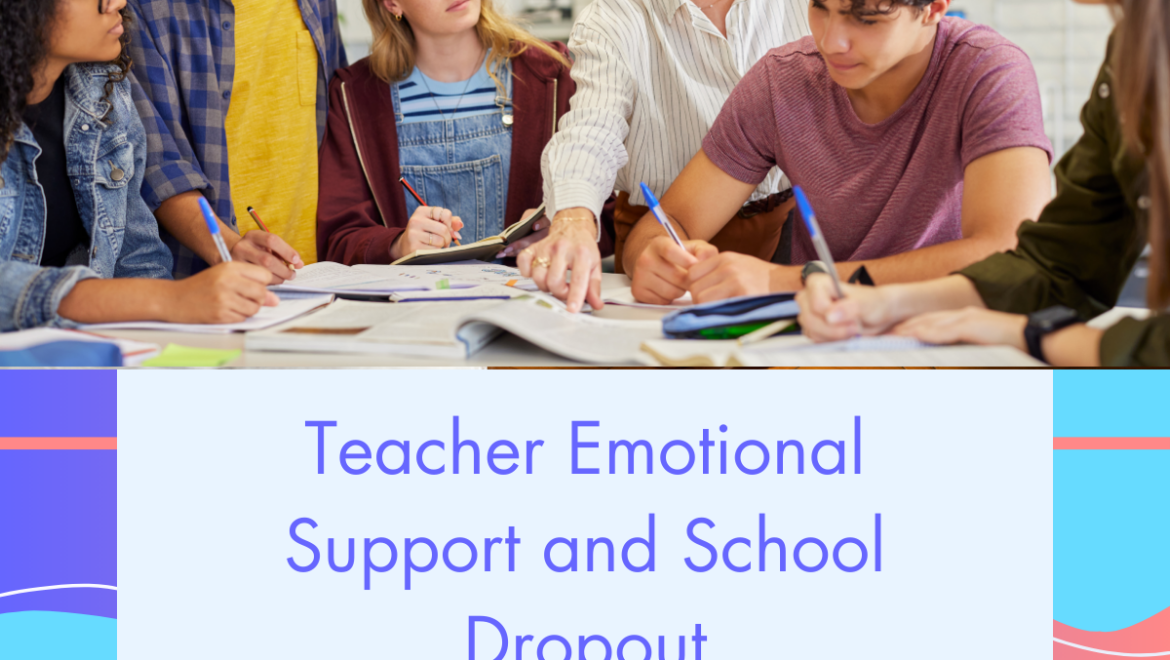
Discover how teacher emotional support helps prevent school dropout and promotes student engagement.

Multi-Cohort Analysis of the Relationship Between Self-Esteem and Academic Performance: Findings, Key Factors, and Educational Implications.
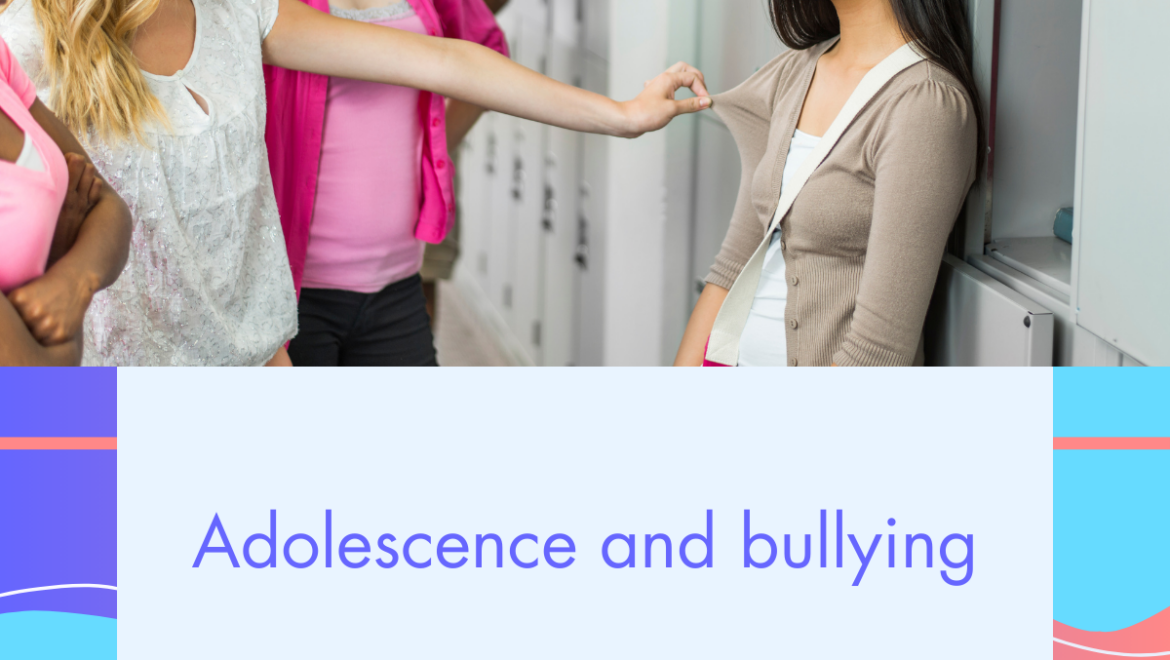
Adolescence and bullying are major issues during the transition from primary to middle school. Learn about the risks and how to prevent them effectively.
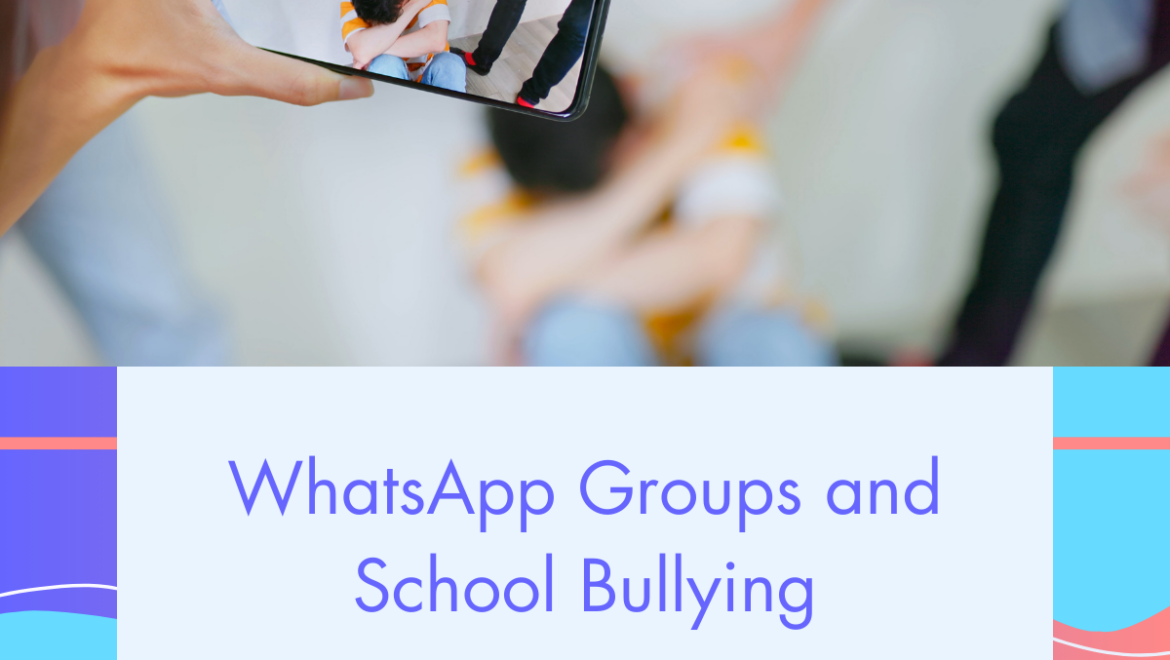
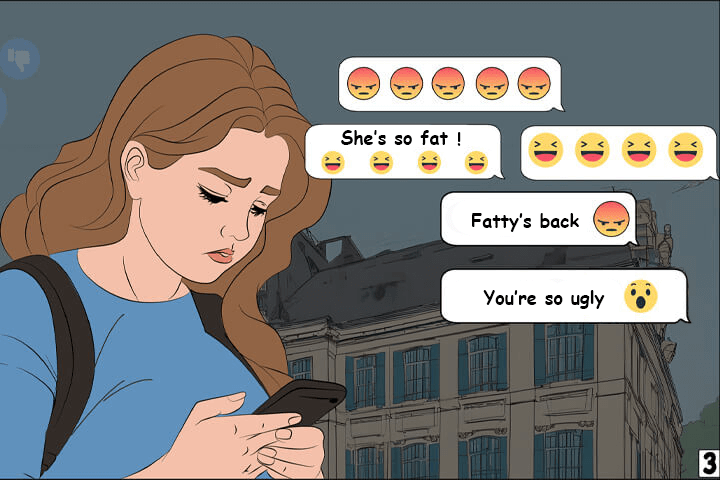
WhatsApp Groups and School Bullying: A Blind Spot in Prevention. An Analysis of Risks, Mechanisms, and Action Strategies to Protect Students.