

“Friendly” bullying – When violence hides within close-knit groups
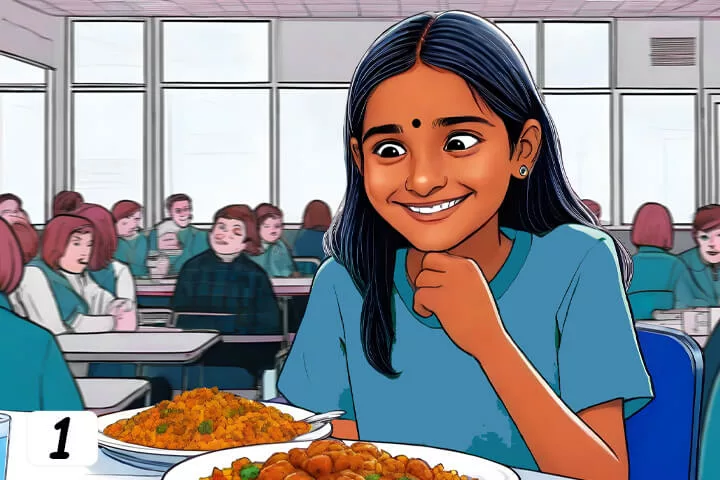
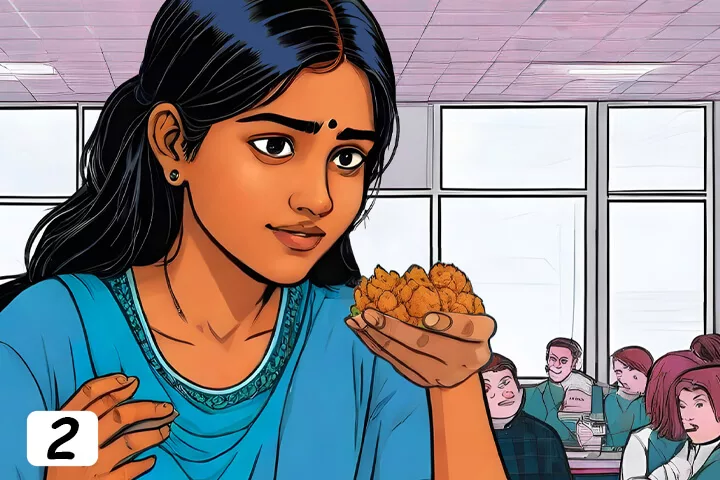
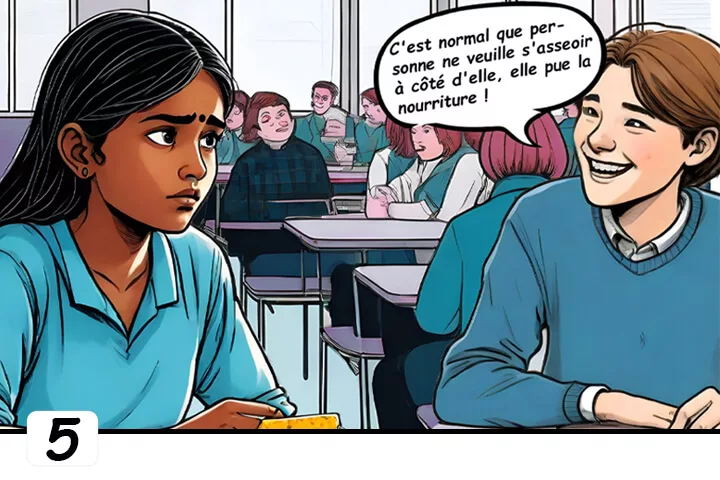
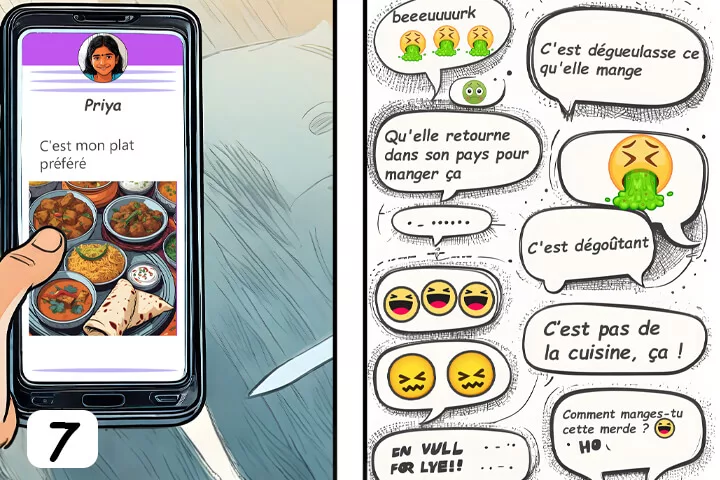
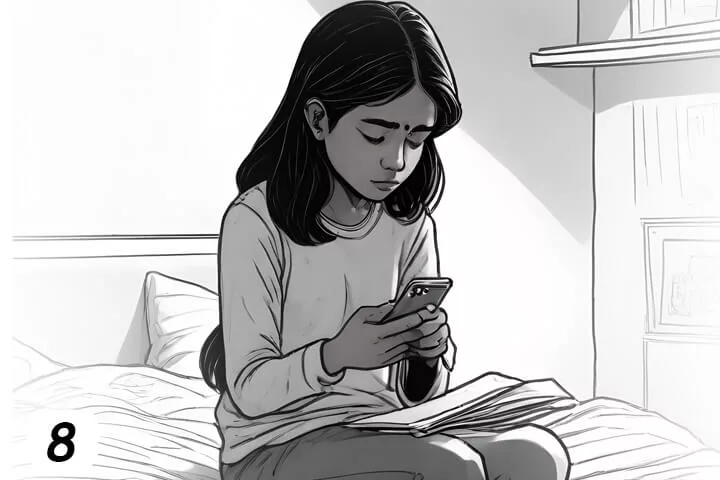
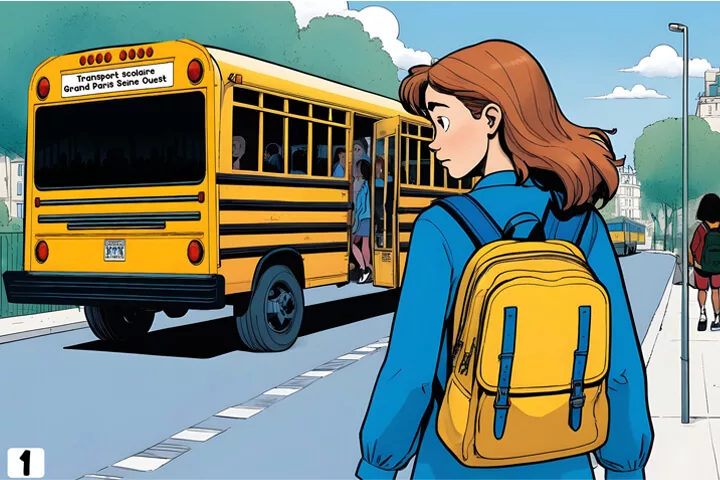
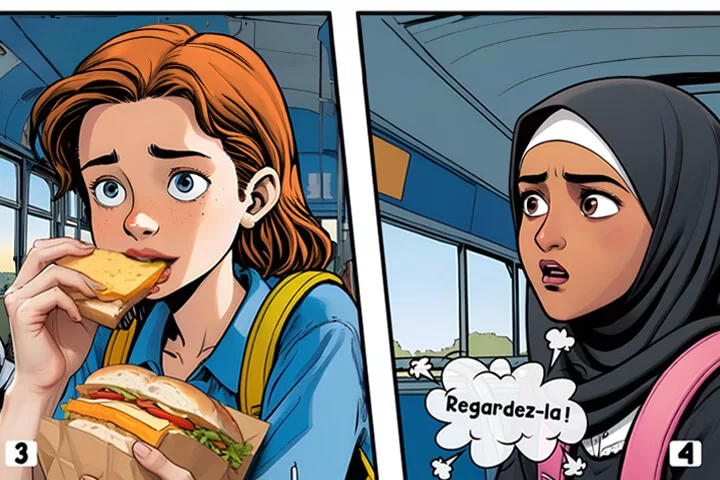
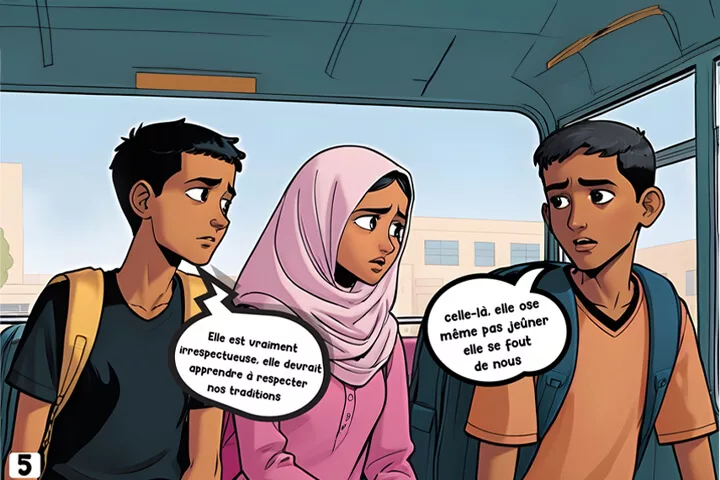
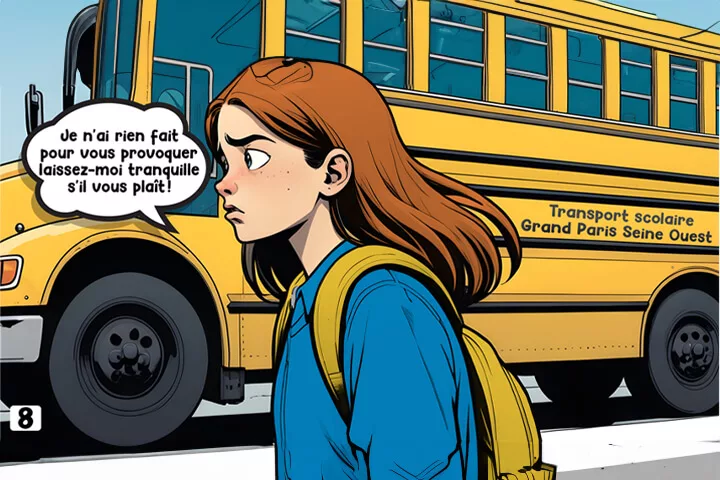
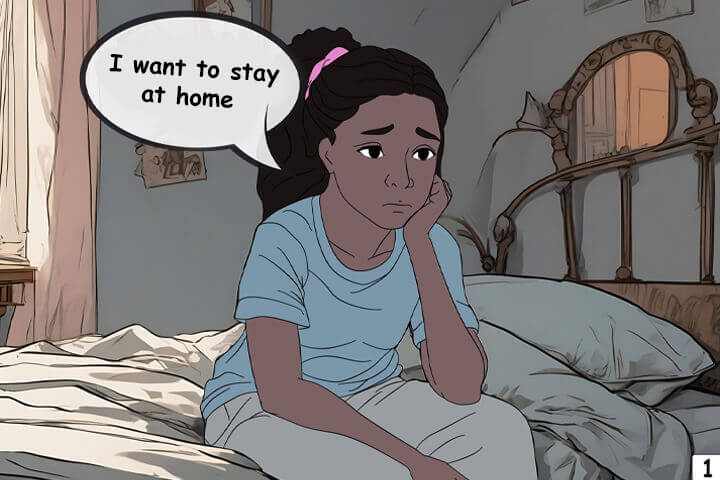
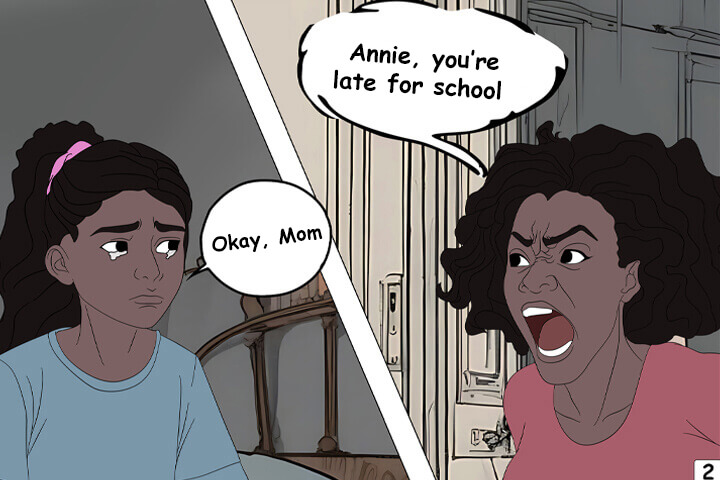
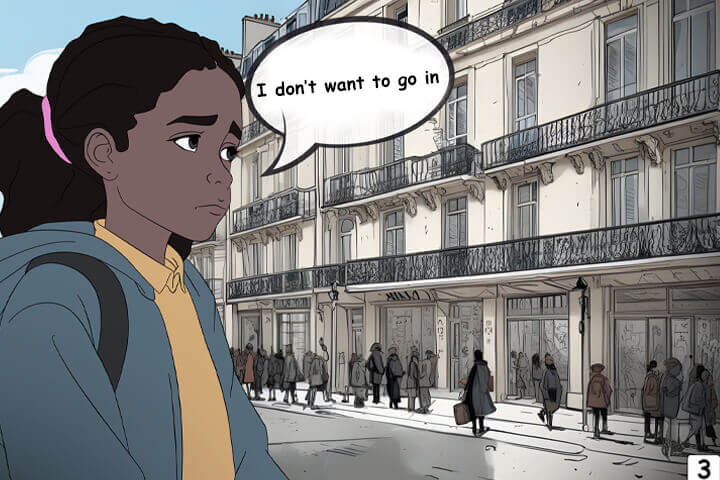
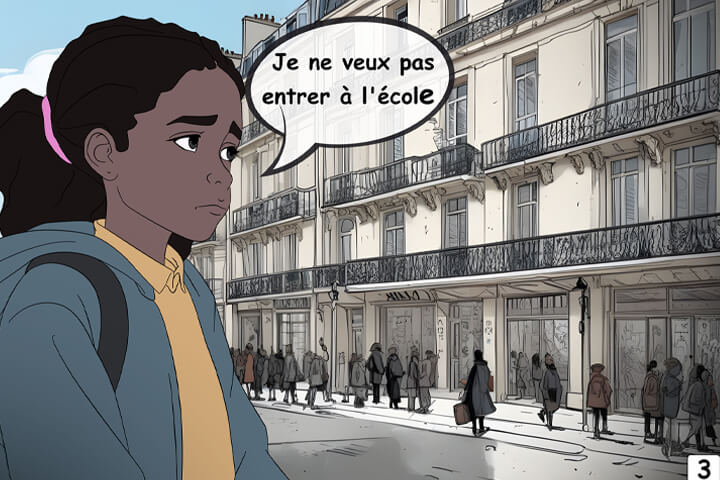
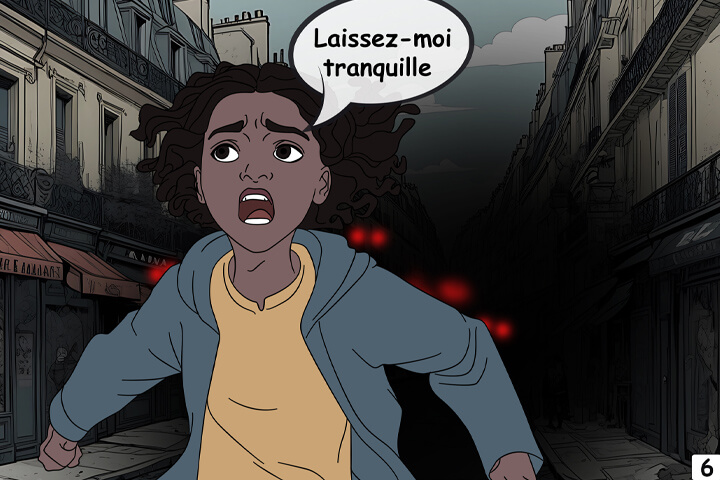
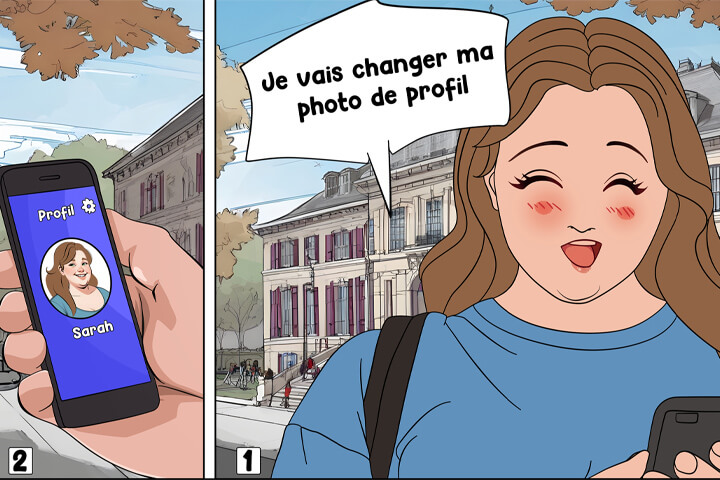
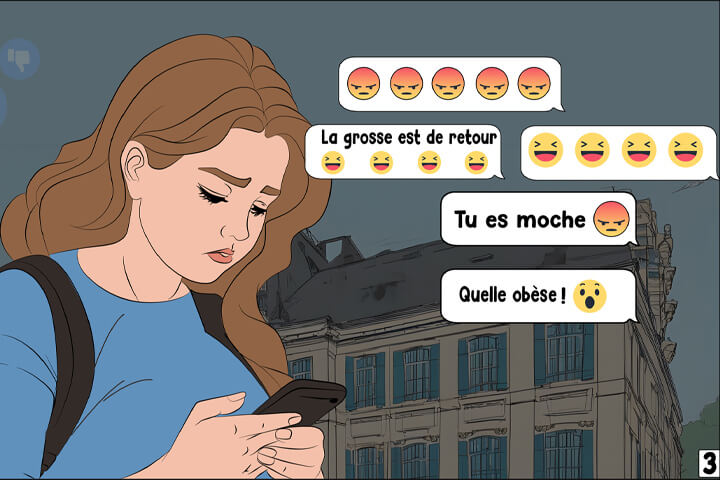
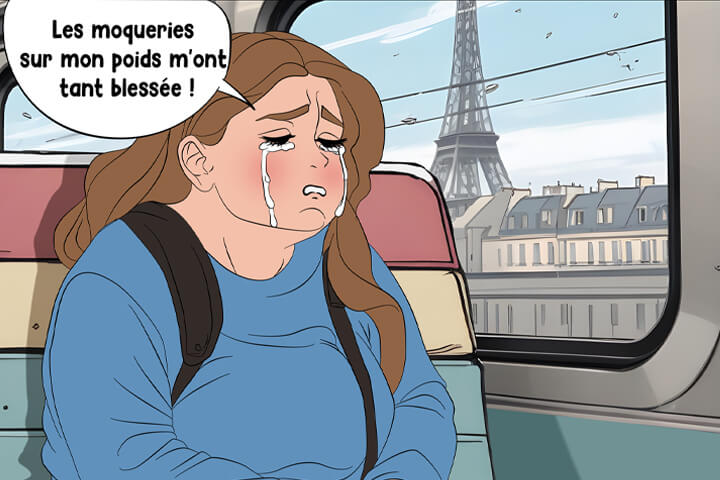
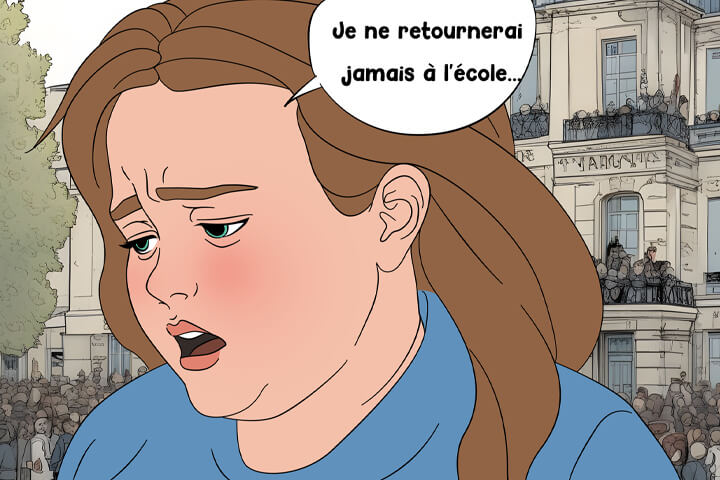
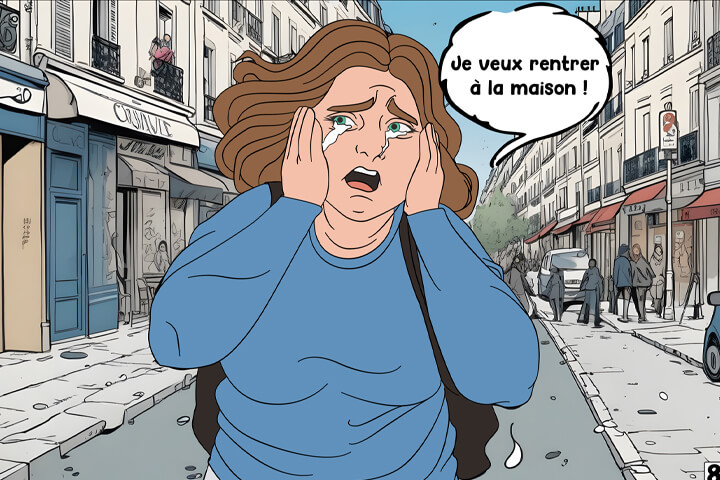
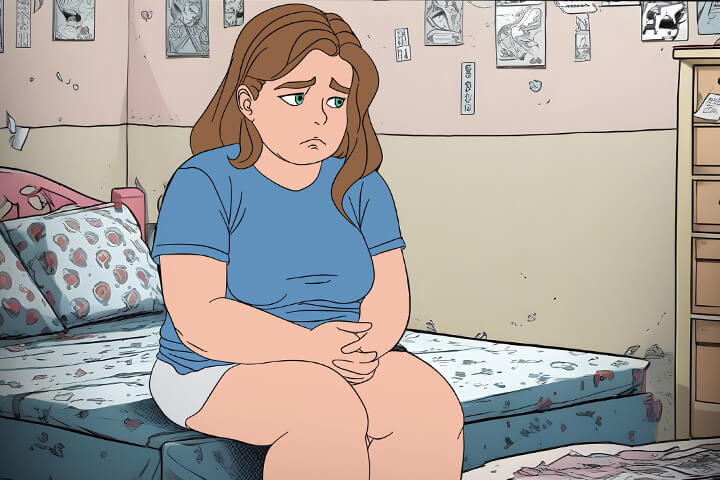
School bullying is often understood through visible manifestations: insults, physical violence, or clear social exclusion. However, a more insidious and widely underestimated form deserves attention: so-called “friendly” bullying. It develops within friendship groups themselves, where a child would normally expect support and safety. Hidden behind humour, apparent closeness, or established relationship patterns, this type of bullying is particularly difficult to identify, both for children and adults.
This article aims to shed light on its mechanisms, assess its psychological impact, and outline possible courses of action.
What is “friendly” bullying?
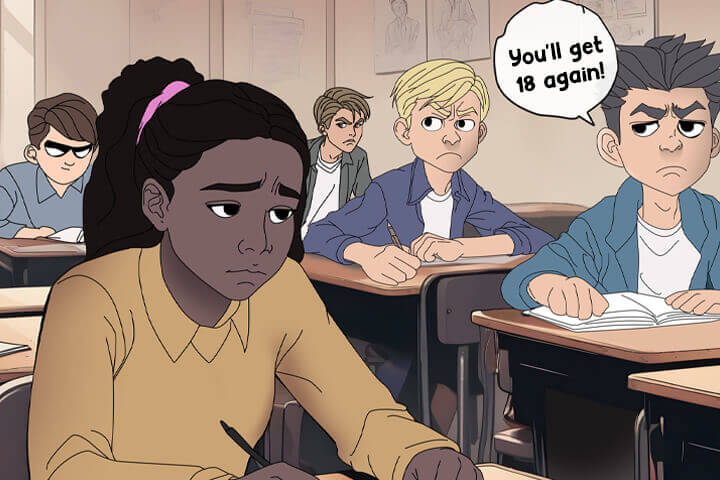
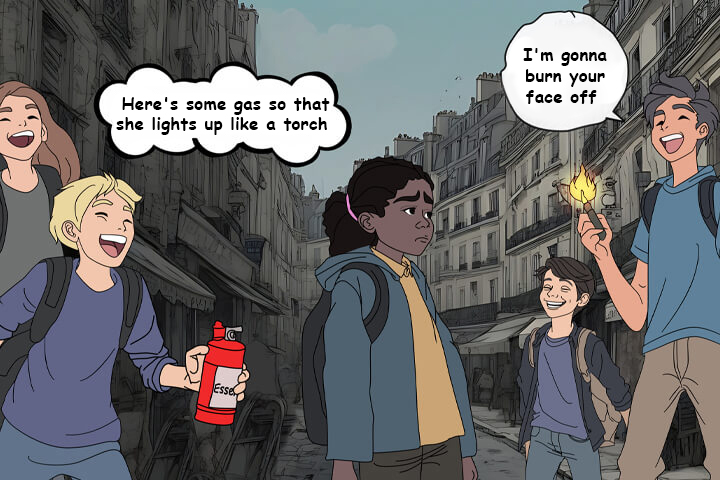
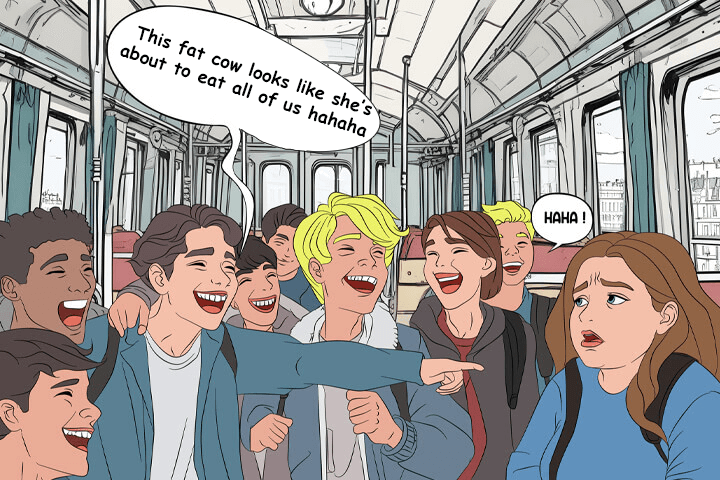
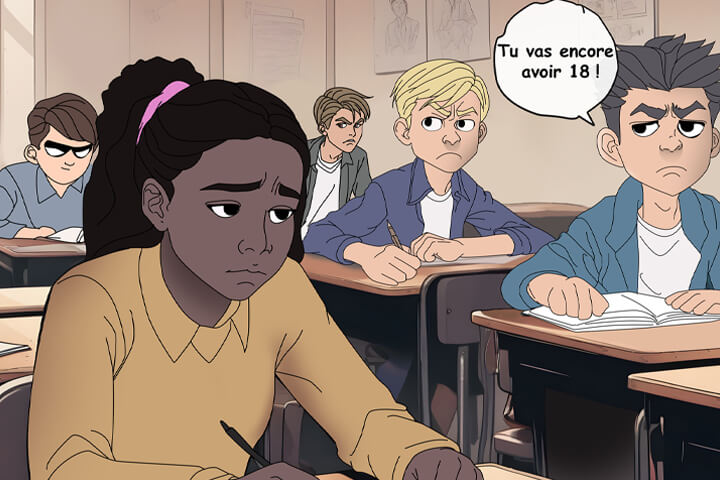
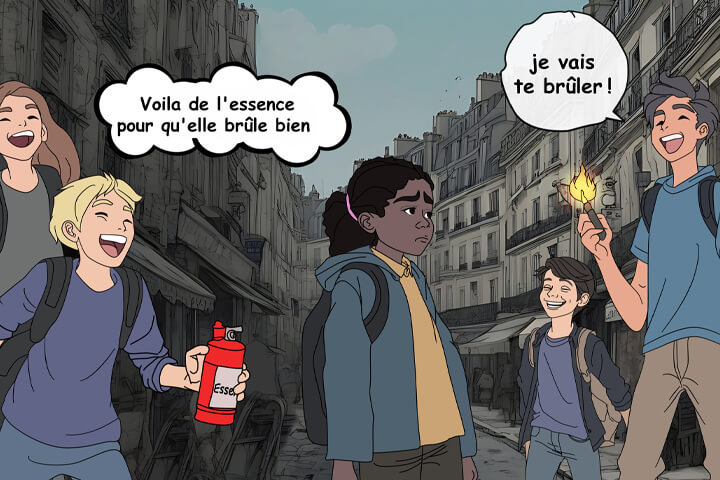
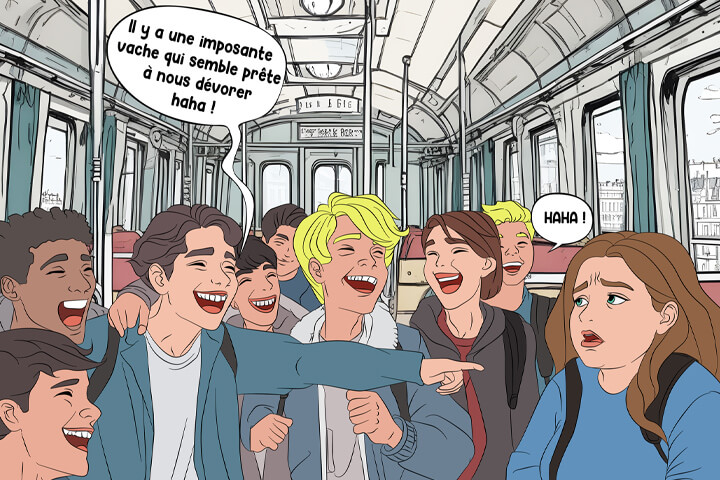
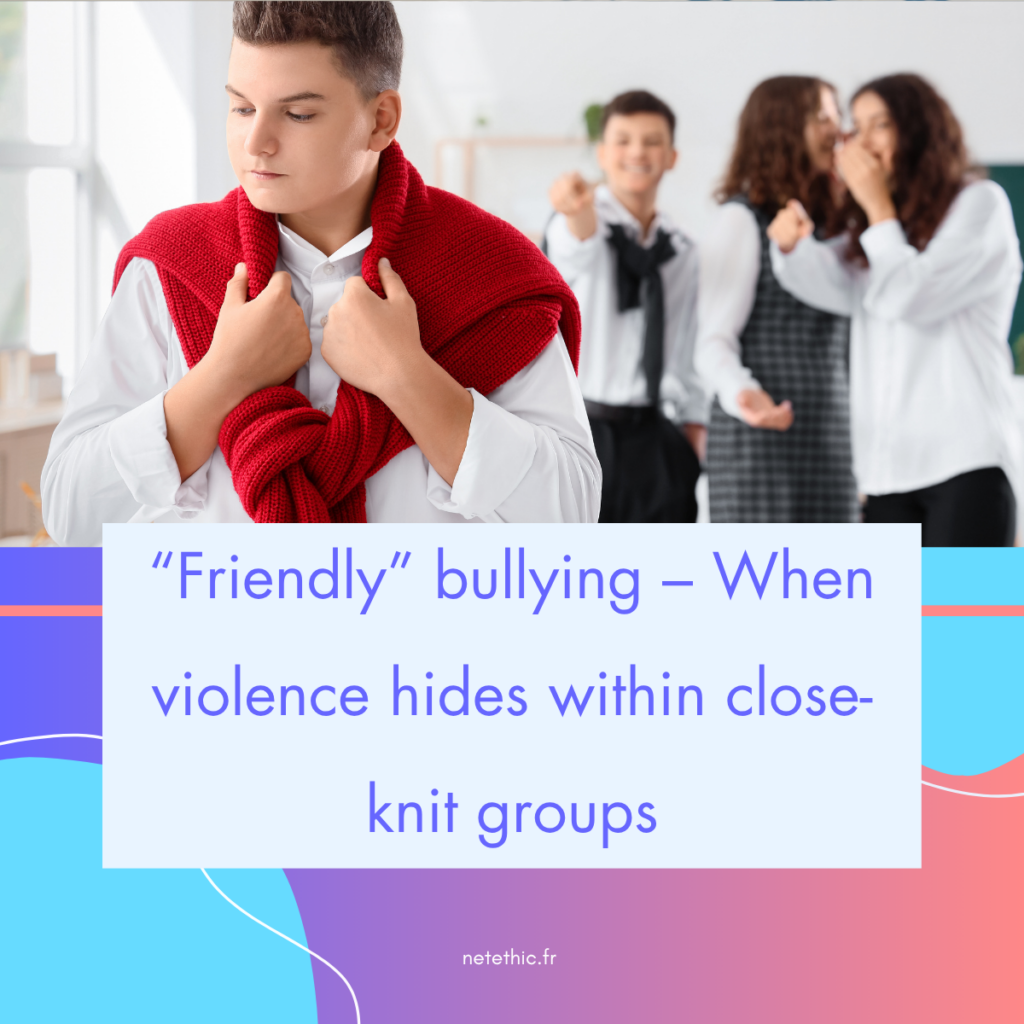
“Friendly” bullying refers to a situation in which a child is regularly subjected to teasing, humiliation, or subtle forms of dominance within their own friendship group. Unlike more traditional bullying, the relationship is not openly hostile; it is marked by ambiguity.
Such behaviors may include:
- repeated jokes targeting the same person;
- humiliating nicknames presented as affectionate;
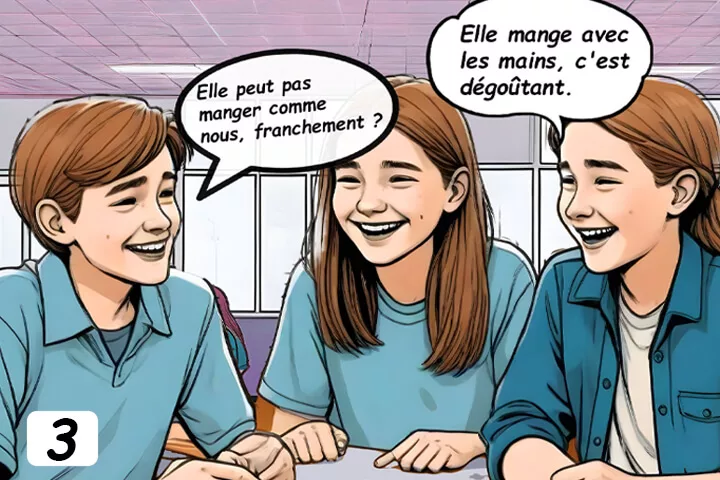
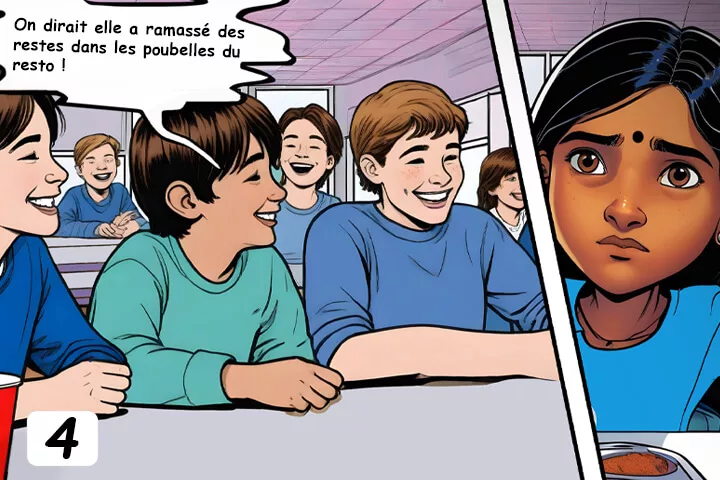
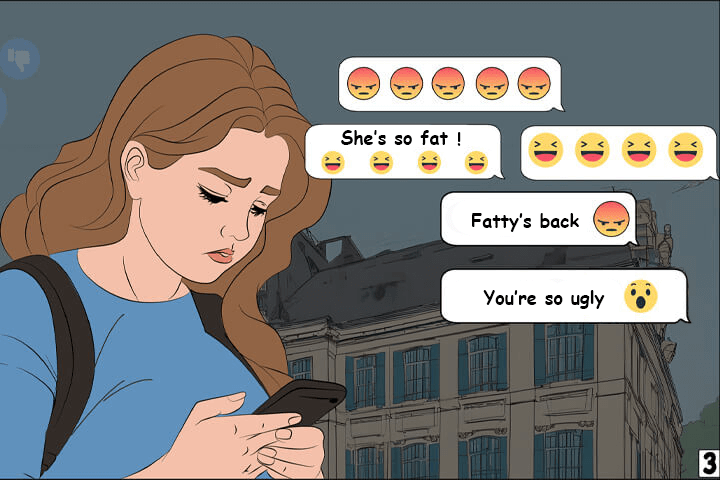
- demeaning remarks disguised as humor;
- occasional but recurring exclusion;
- pressure to accept unpleasant situations or behaviors.
The specific feature of this phenomenon is that the victim remains part of the group, which blurs their own perception as well as that of adults.
Why is this form of bullying so difficult to detect?
Violence masked by humour
The attacks are often justified with phrases such as:
- “It’s just a joke”
- “We know each other well, it’s normal”
- “You’re too sensitive”
This normalisation prevents the violence from being recognised.
An emotional bond that hinders awareness
The child is attached to their group of friends. They may feel genuine affection for those who hurt them, creating an emotional dissonance: “They are my friends… so it’s not serious.”
Fear of exclusion
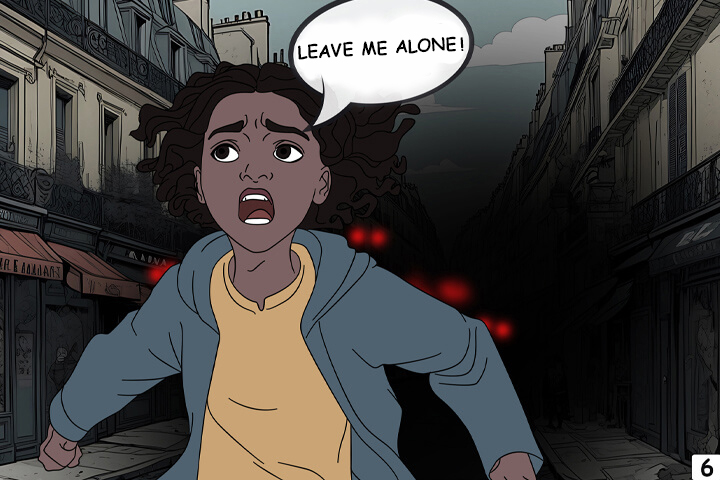
Refusing these behaviours can mean losing their place in the group. The child often prefers to endure the situation rather than become isolated.
Psychological mechanisms at play
Normalisation of violence
Through repetition, these behaviors become “normal.” The child adapts and comes to believe that “this is how friends behave” or that “you just have to accept it.”
Implicit hierarchy within the group
Even within friendship groups, power dynamics exist. “Friendly” bullying often serves to:
- maintain a dominant position;
- strengthen group cohesion around a target;
- create a collective dynamic of laughter at the expense of one member.
Internalisation of devaluation
Gradually, the victim may:
- lose self-confidence;
- define themselves through the teasing they receive;
- accept objectively unacceptable behaviours.
Consequences for the child
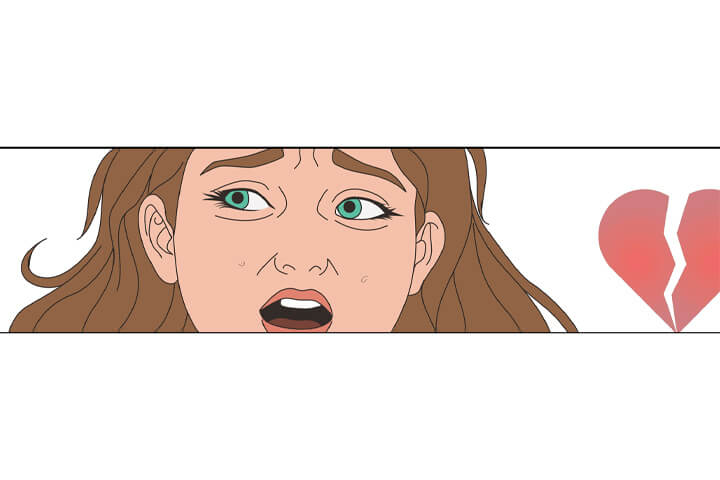
Psychological consequences
- Lower self-esteem
- Social anxiety
- Feelings of confusion (“Am I too sensitive?”)
- Guilt
Social consequences
- Dependence on the group
- Difficulty setting boundaries
- Fear of forming new relationships
Academic consequences
- Reduced concentration
- Disengagement
- General discomfort at school
How to recognize the signs?
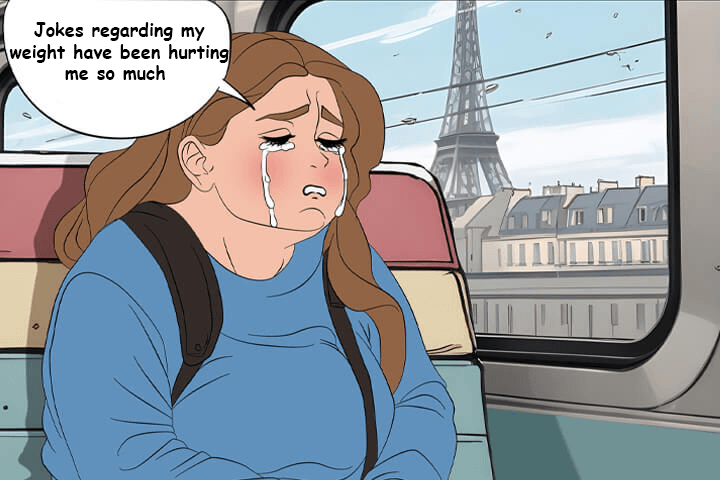
- the child mentions “jokes” that hurt them;
- they laugh, but seem uncomfortable;
- they accept humiliating situations without reacting;
- their behaviour changes around their friends;
- they minimise what they are experiencing.
How to respond to “friendly” bullying?
- Helping the child find the right words – Helping them understand that a friendship should not cause suffering.
- Developing assertiveness – Teaching them to say: “I don’t like that,” “Stop.”
- Challenging false beliefs – No, suffering is not normal in a friendship. No, humour does not excuse everything.
- Encouraging healthy relationships – Promoting respect, listening, and kindness.
- Involving adults when necessary – If the situation persists, speaking to the school is essential.
Conclusion
“Friendly” bullying is a hidden yet deeply harmful form of violence. Because it is masked by humour and friendship, it is often minimised or even ignored. Yet its impact on a child’s emotional and social development can be long-lasting.
Learning to recognise the limits of humour, identify toxic relationships, and value respectful friendships is essential to prevent this phenomenon. A true friendship does not cause suffering: it protects, supports, and respects.