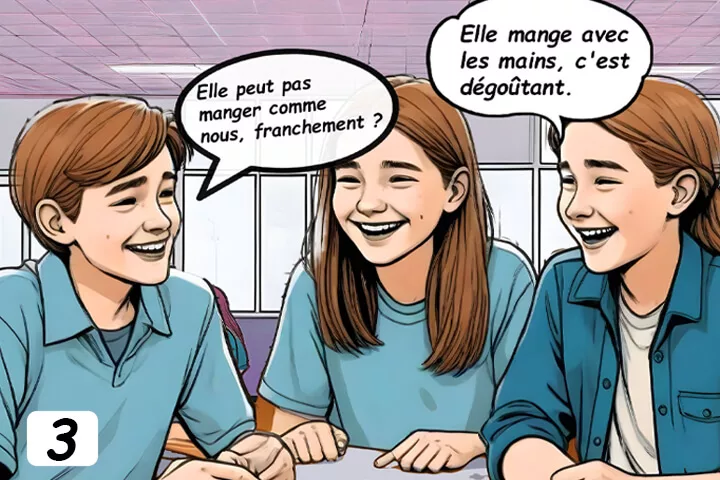
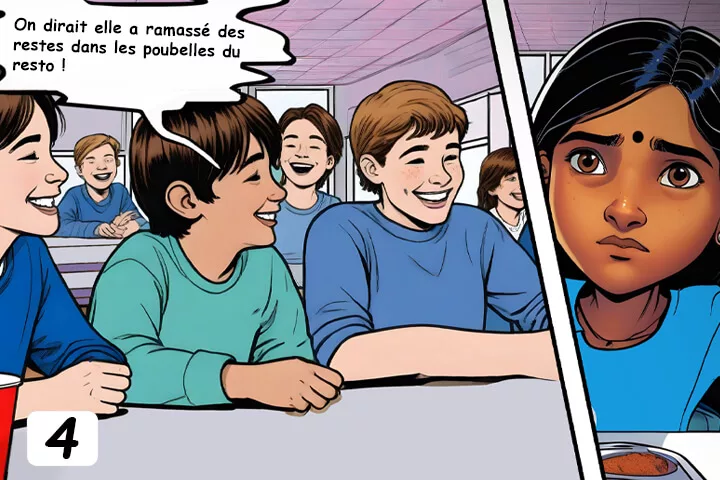
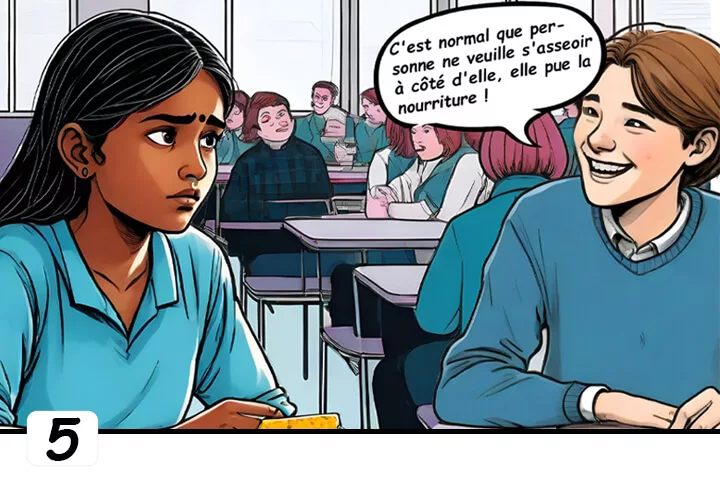
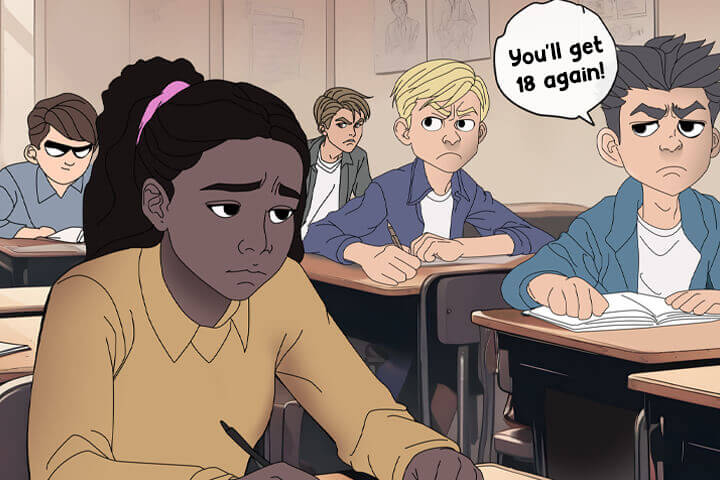
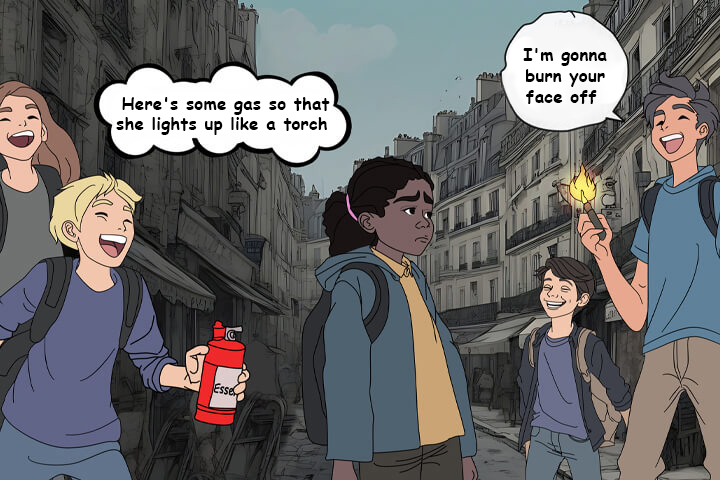
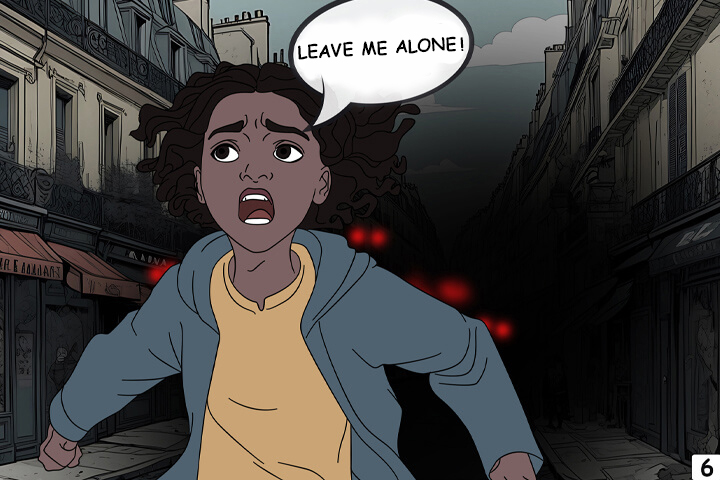
School bullying questionnaire 2026: 5 steps to a successful session
The school bullying questionnaire 2026 runs from Thursday 5 November to Friday 11 December 2026: every pupil in France, from CE2 (age 8) to terminale (final year of high school), is invited to complete the national bullying self-assessment form. For you as a head teacher or school principal, it is a key moment: setting aside two hours of class time, protecting what pupils share, then acting quickly on every situation identified. Here is how to make the session a success, step by step.
School bullying questionnaire 2026: the essentials
| Key point | What to remember |
|---|---|
| Who? | All pupils from CE2 to terminale (age 8 to 18) |
| When? | From 5 November to 11 December 2026, starting on the 2026 National Day against Bullying (5 November) |
| How long? | Two hours of class time set aside |
| Which forms? | Three versions: primary school, collège (middle school), lycée (high school), available on Eduscol (in French) |
| Identity? | First and last name optional, at the end of the form |
| Answers? | Not compulsory for pupils; four possible answers per question |
| Why? | To measure the scale of bullying and support every pupil concerned quickly |
In November 2025, the national barometer based on this form estimated that 3% of primary pupils (CE2 to CM2), 4% of middle-school pupils and 2% of high-school pupils were being bullied. A further 13%, 6% and 5% respectively were flagged as “to be monitored”.
Step 1: prepare your team (starting now)
A successful school bullying questionnaire 2026 session takes several weeks of preparation. Here is the checklist for school leadership.
- Download the 2026 bullying self-assessment forms (primary, middle and high school) and the administration guide from Eduscol, then print enough copies.
- Book the time slots: two hours per class between 5 November and 11 December.
- Bring together your pHARe team and coordinator: who will see a pupil who asks to talk? Where? How quickly?
- Prepare teachers to listen to what pupils share. In middle school, ideally plan two adults per session.
- Adapt for pupils who need it (special needs units, newly arrived pupils) by working on the meaning of the questions beforehand.
- Inform families using the template letter available on Eduscol.
- Selected for the national barometer? You have received pre-printed forms and prepaid envelopes: use them to send the forms back.
Step 2: raise awareness before handing out the form
Before the form, take time to explain what bullying and cyberbullying are, using Eduscol and pHARe resources. A pupil who understands what is being asked answers more accurately.
Step 3: run the session in class
- Present the purpose of the school bullying questionnaire 2026 and remind pupils that answering is not compulsory.
- In primary and middle school, read out the information notice at the end of the form.
- Explain the four possible answers and let pupils take their time.
- Make clear that giving a name is optional, and that a pupil can ask to talk to an adult even without giving their name.
- Stay available and attentive to emotions.
- Collect the forms, then remind pupils that all violence is unacceptable and share the names of the adults and pupil ambassadors they can turn to.
Step 4: analyse the answers
Once the school bullying questionnaire 2026 has been completed, the teacher counts the answers on each form using the scoring table, then passes a first analysis on to school leadership.
| Total | Primary (CE2–CM2) | Middle and high school |
|---|---|---|
| A | Answers 3 and 4, questions 2 to 8 | Answers 3 and 4, questions 2 to 11 |
| B | Answers 3 and 4, questions 11 to 20 | Answers 3 and 4, questions 14 to 30 |
| C | Answers 2, 3 and 4, questions 21 to 24 | Answers 2, 3 and 4, questions 31 to 34 |
A pupil whose score falls in a dotted box is considered to be bullied; in a wavy box, they are “to be monitored”. Serious incidents (sexual violence, cyber-violence, physical violence) must be reported immediately.
Step 5: act and report back
- Named form revealing a situation: you are alerted and apply the pHARe protocol (the national protocol), including a mandatory interview with the pupil and protective measures.
- Anonymous form revealing bullying: it is passed to you for analysis by the pHARe team.
- At least one possible situation in a class: an awareness activity must be organised there.
- Complex situation: contact the local (département) anti-bullying lead, whose details are on pHARe.
- Feedback to pupils and families: overall trends only, never individual answers. 2026 letter and slide templates are available on Eduscol.
- Storage: keep forms confidential until the end of the school year, then destroy them. Named forms revealing a situation are kept until it is resolved, for three years at most.
Mistakes to avoid
- Launching the school bullying questionnaire 2026 without deciding who will see pupils who ask to talk.
- Leaving forms without follow-up: a pupil who dared to answer expects a response.
- Sharing individual results with families during feedback.
- Treating the session as an end point: it is the starting point of your prevention plan for the year.
What happens after 11 December?
The school bullying questionnaire 2026 gives a snapshot at one point in time. Bullying, however, evolves all year round, online and at school. Netethic helps school leaders carry this work forward: detecting situations, following them through to resolution, running prevention activities and producing reports to steer action. To plan what comes next, read our article Building a year-long anti-bullying prevention plan.
Try Netethic free for 2 months, with no commitment, or book a 20-minute demo.
Frequently asked questions
Is the school bullying questionnaire 2026 compulsory for pupils?
No. The session is organised in every class from CE2 to terminale, but answering remains optional for pupils.
Is the questionnaire anonymous?
Pupils can write their name at the end of the form if they wish. They can also ask to talk to an adult without giving their name.
When should the school bullying questionnaire 2026 take place?
Between Thursday 5 November and Friday 11 December 2026.
How much time should be allowed?
Two hours of class time.
What should be done with the forms afterwards?
Keep them confidential until the end of the school year, then destroy them. Named forms revealing a situation are kept until it is resolved, for three years at most.
A pupil needs help outside school?
3018, the French national helpline, is free, anonymous and confidential, open 7 days a week from 9 am to 11 pm.