

Deepfakes and AI-manipulated images: the new threat facing students
In a matter of seconds, a free app can paste a student’s face onto a naked body or make them say words they never said. These “deepfakes” are already circulating in playgrounds and class group chats. Understanding this phenomenon has become essential to protecting students.

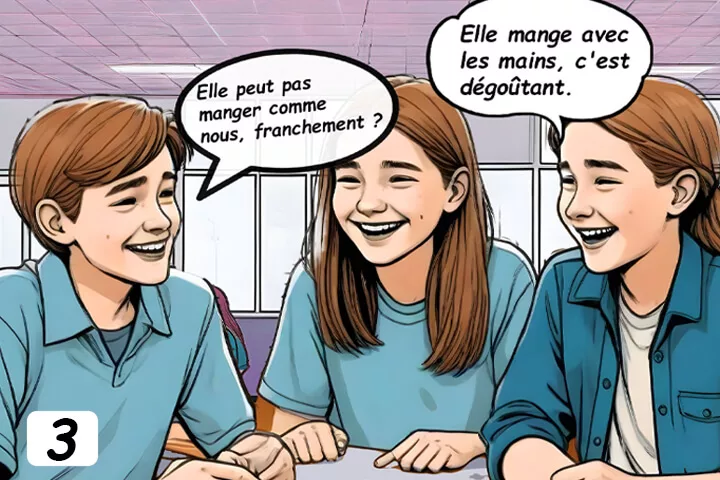
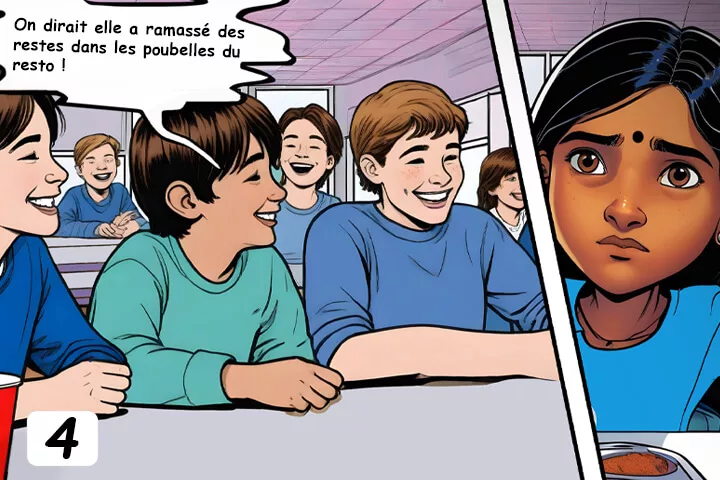
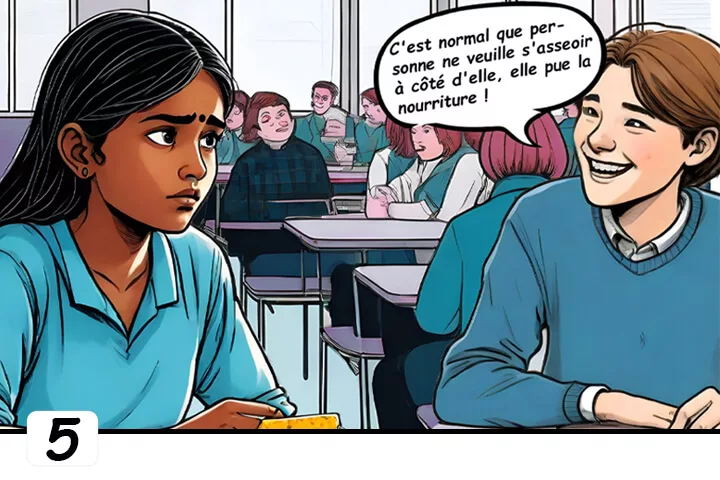
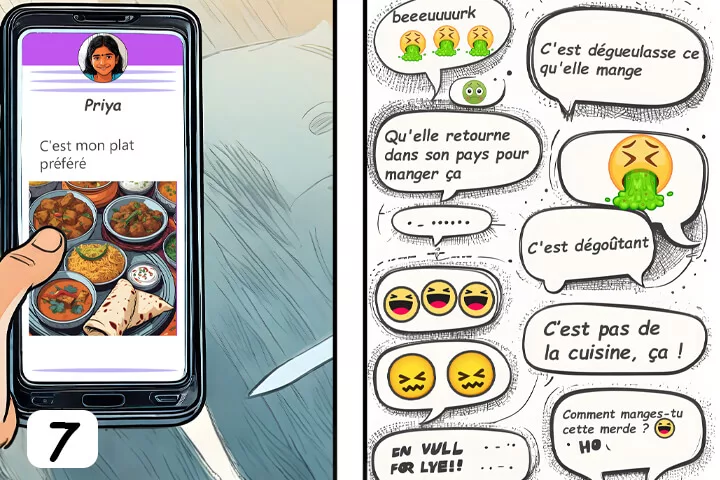
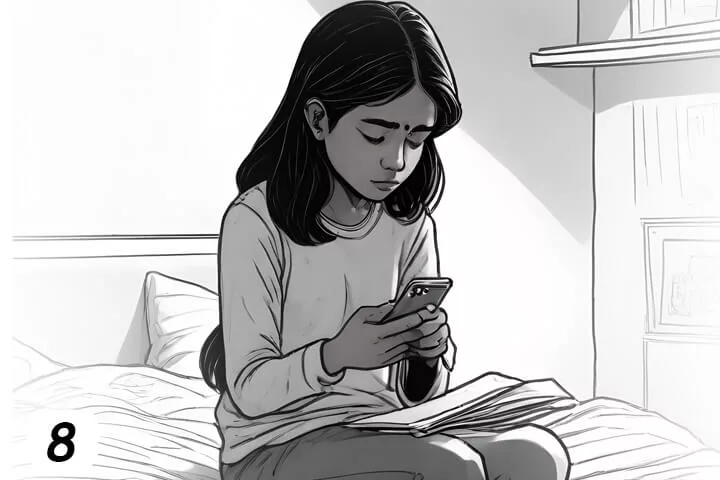
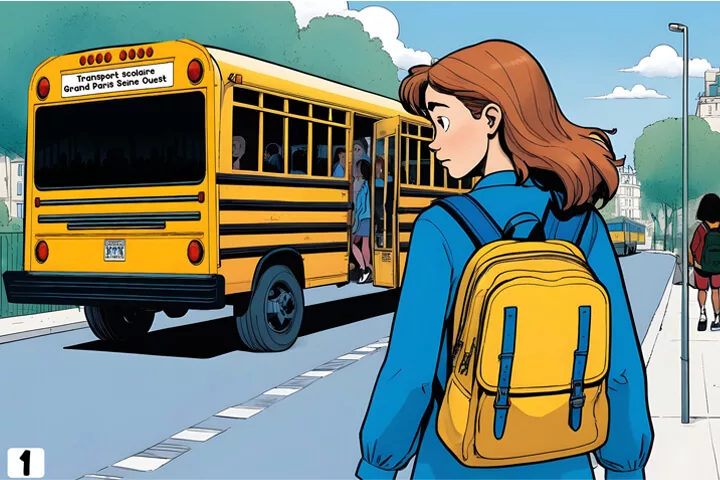
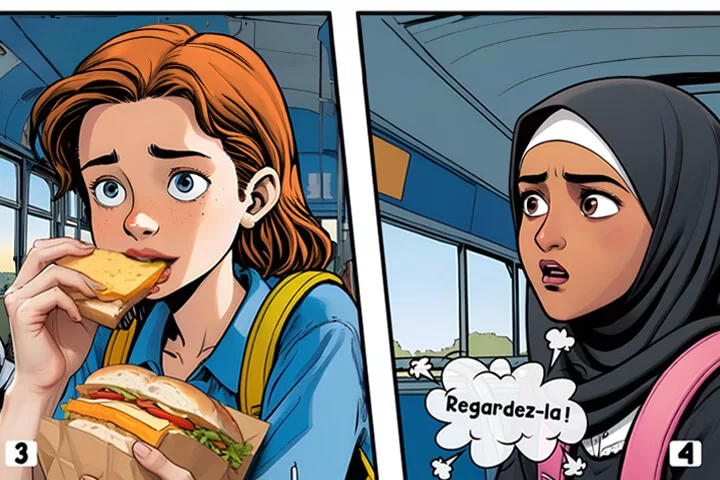
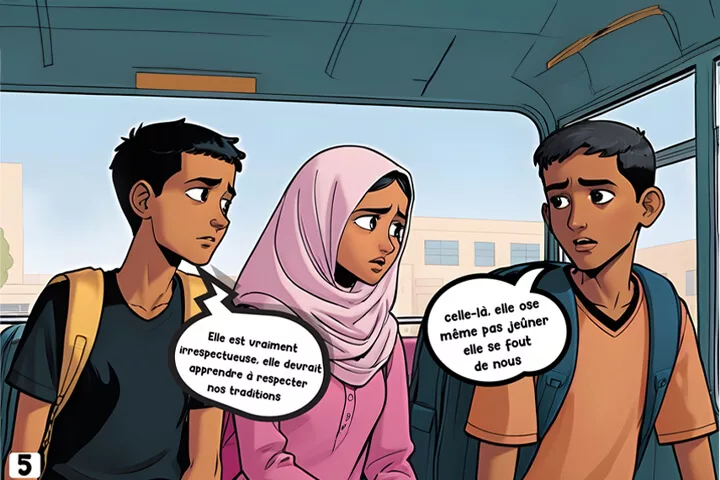
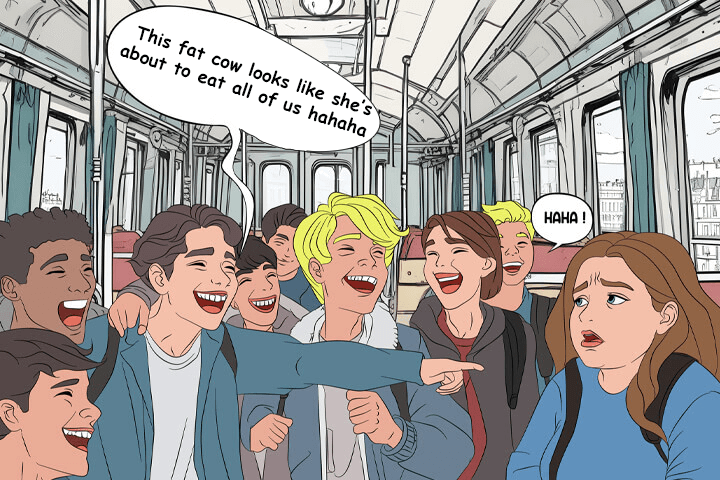
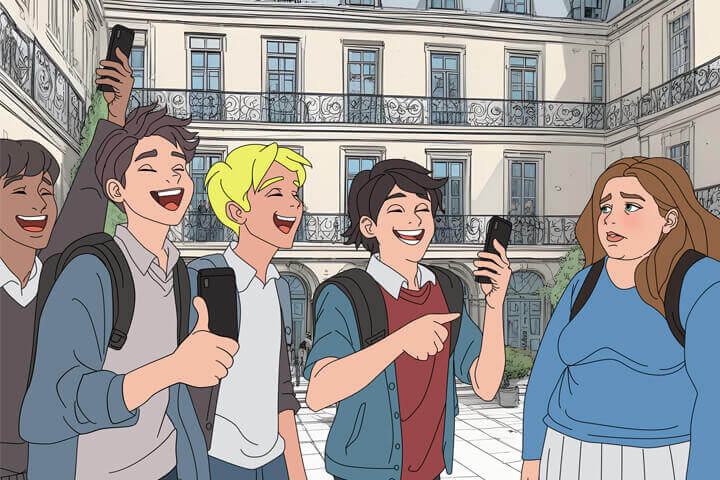
When artificial intelligence becomes a bullying weapon
For a long time, doctoring a photo took time and technical skill. Not anymore. Generative AI tools, often free and available on any smartphone, now allow any teenager to create an image, a video or an audio recording that looks and sounds completely real.
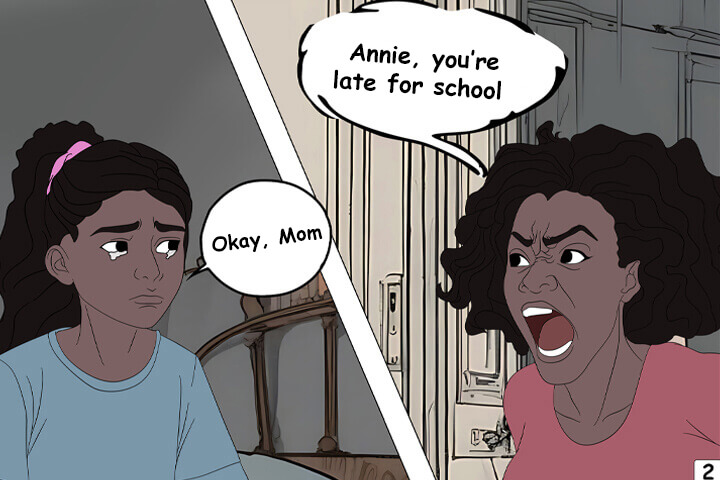
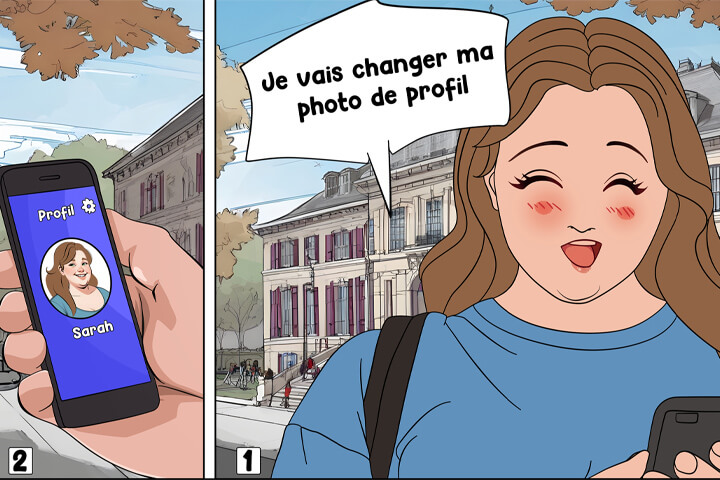
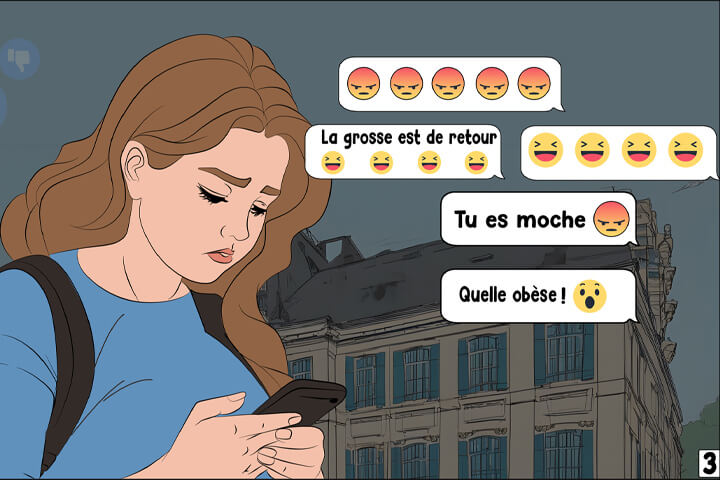
Used creatively, this technology can be fun. Misused, it becomes a formidable bullying tool: the targeted student is exposed in a humiliating situation they never experienced, and is left having to prove that “it isn’t me”.
Several cases have already made headlines in Europe. In 2023, in Almendralejo, Spain, fake nude images of around twenty schoolgirls, created by classmates with an AI app, circulated around the town. Similar cases have been reported in middle and high schools in France, the United States and the United Kingdom. This is no longer a hypothetical risk: it has already entered our schools.
Deepfakes: what are we talking about?
A deepfake is a piece of content — an image, video or audio clip — created or altered by artificial intelligence to make people believe someone said or did something they never said or did.
Among young people, four types of content come up most often:
- Fake nudes: apps “undress” an ordinary photo, taken from an Instagram account or a class photo, for example.
- Face swaps: a student’s face is pasted onto an existing video, often ridiculous or sexual.
- Cloned voices: a few seconds of recording are enough to imitate a student’s or teacher’s voice and attribute insulting, racist or false statements to them.
- Fake messages and screenshots: invented conversations presented as real in order to destroy someone’s reputation.
What makes this content so dangerous is how easy it is to make. You no longer need to be an expert: one photo, one app and a few clicks are enough. And once shared in a class group chat, it can be copied and reshared within minutes.
How deepfakes fuel school bullying
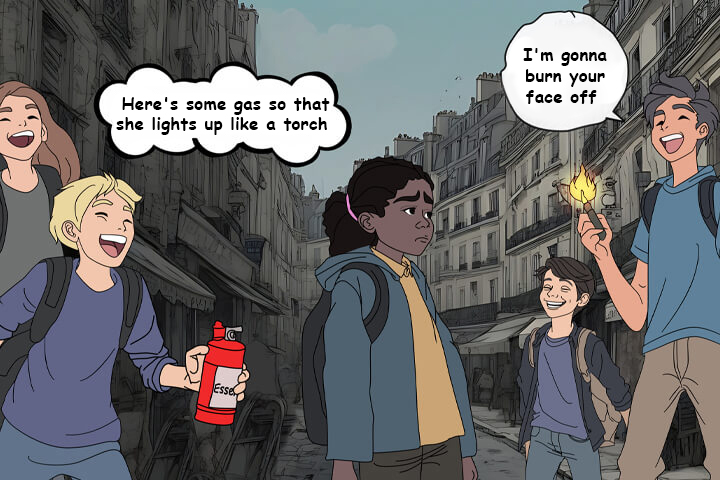
Deepfakes do not invent a new form of bullying: they amplify familiar mechanisms, making them more violent and faster.
- Sexual humiliation. This is the most common and most serious use. Girls are the main victims. A single fake intimate image can trigger insults, rumours and exclusion from the group.
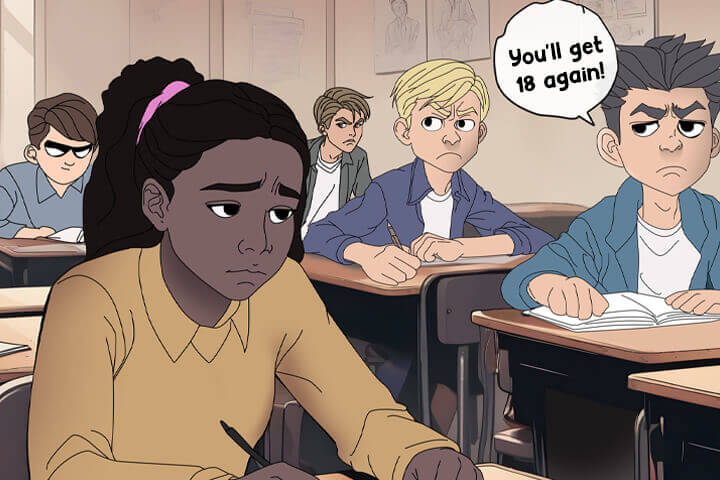
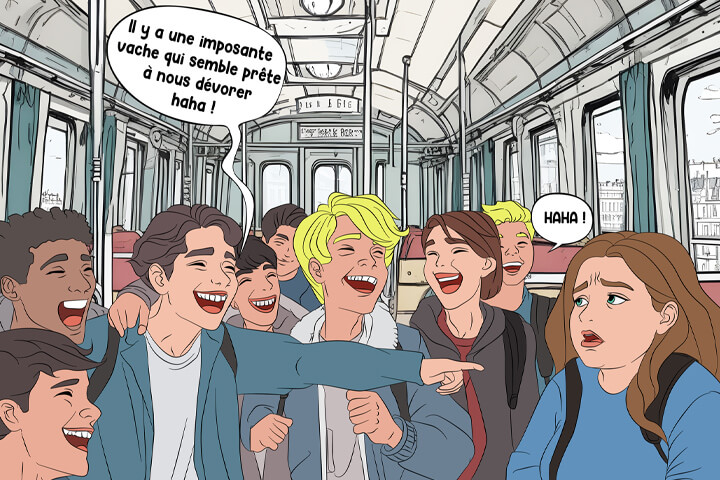
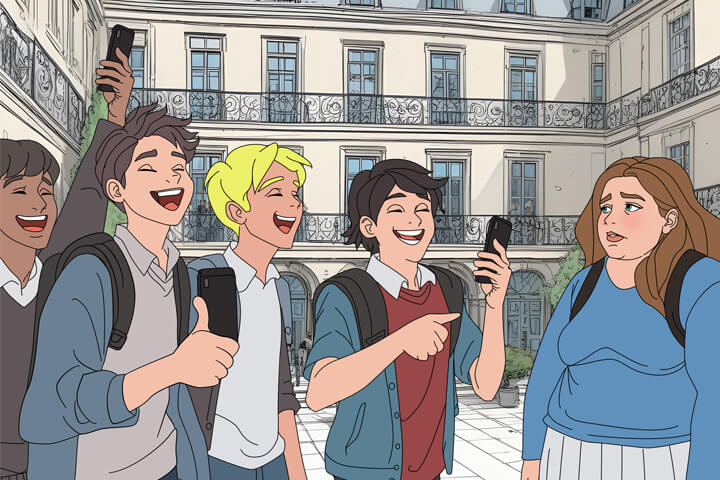
- Teasing “just for fun”. A face pasted onto an animal or a parody video may seem harmless. But repeated, shared and commented on, it becomes bullying. The line between a joke and real harm is especially blurred here.
- Blackmail. Some perpetrators threaten to post a fake image in order to obtain money, real photos or the victim’s silence. This is known as sextortion.
- Reputation destruction. A fake audio clip in which a student appears to make racist remarks or threaten someone can lead to social exclusion, or even unfair sanctions.
- Targeting adults. Teachers and staff are not spared: fake videos, imitated voices and doctored images posted on social media.
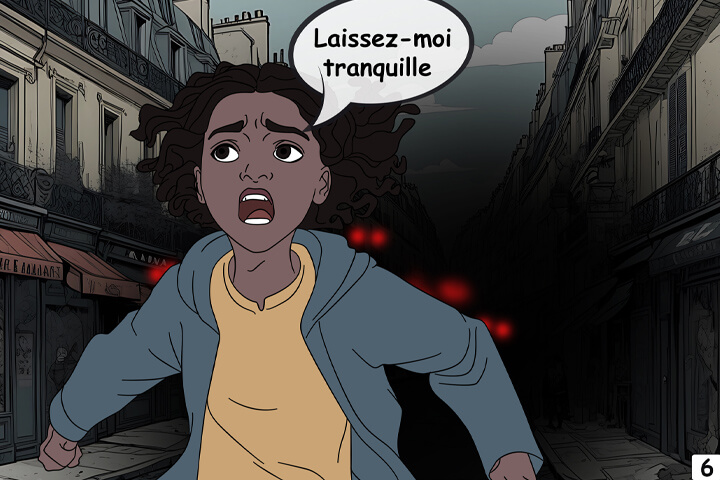
This content circulates where adults see little: WhatsApp or Snapchat groups, anonymous accounts, private messaging. Often, the school only hears about it once the situation has already escalated.
Real harm, even when the image is fake
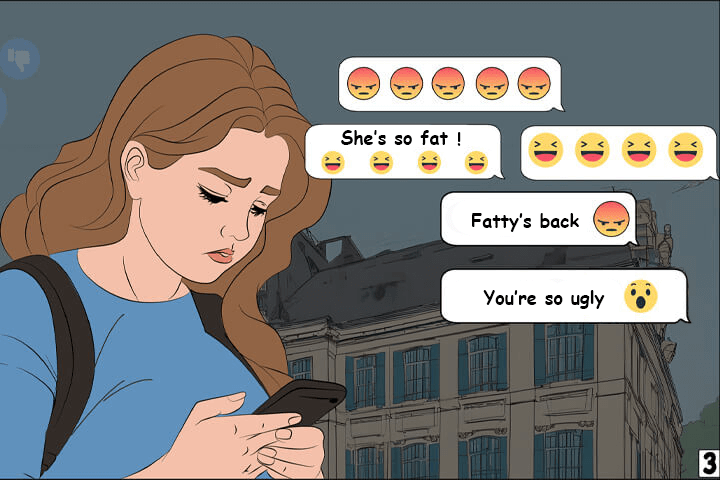
“It isn’t really you, so it doesn’t matter.” This sentence, often said to reassure, downplays very real violence. For the victim, it makes no difference that the image is fake: classmates have seen it, commented on it, and the way others look at them has changed.
The consequences are similar to those of other forms of bullying, often more intense:
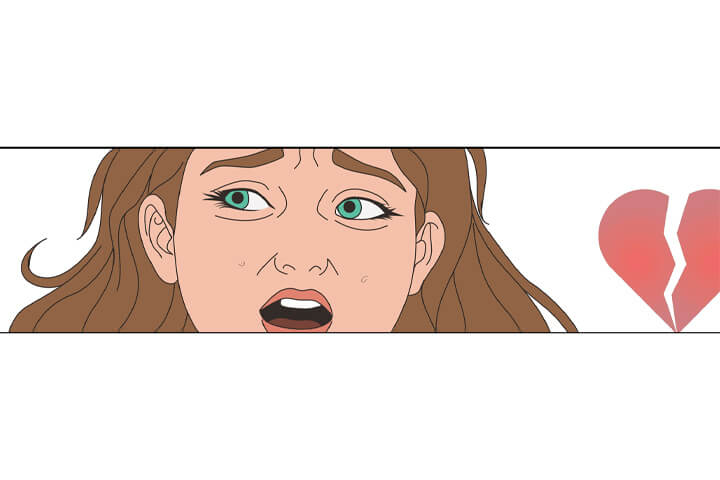
- shame, humiliation and loss of self-confidence;
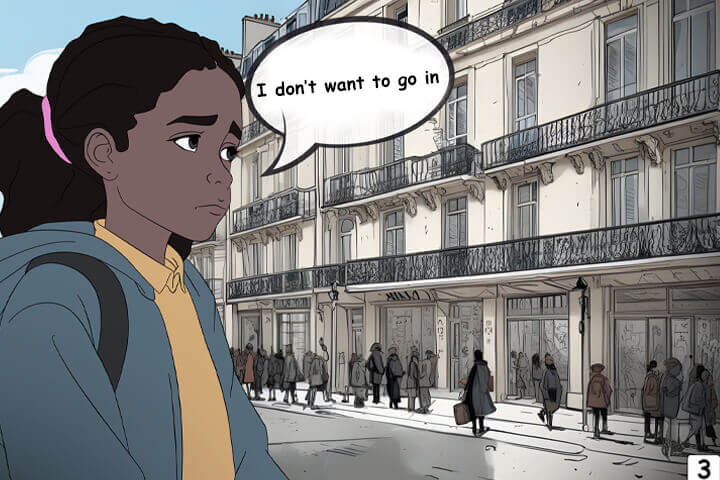
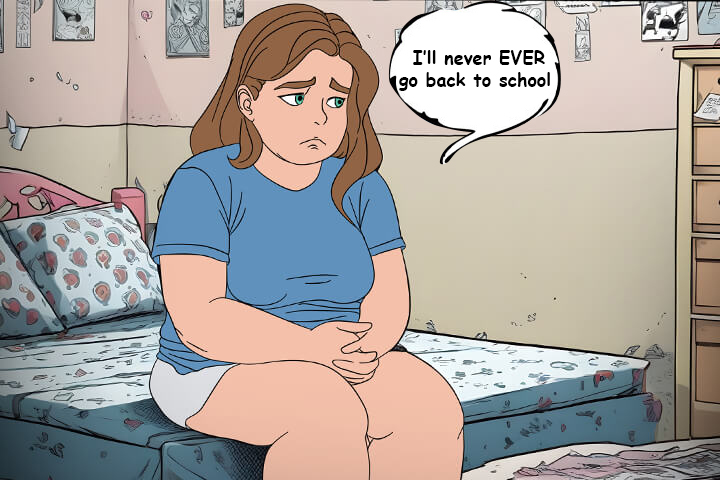
- fear of going to school, absenteeism, falling grades;
- withdrawal, isolation, sleep or eating disorders;
- constant anxiety, because the content can resurface at any time;
- in the most serious cases, suicidal thoughts.
On top of this comes a particular sense of helplessness: the victim has to justify something they did not do, and fears not being believed. Many do not dare tell adults, afraid that even more people will see the image.
What French law says
Creating or sharing a deepfake to humiliate a student is not a joke: it is a criminal offence, and often several at once.
Offence | What it covers | Maximum penalties (adults) |
|---|---|---|
Sharing an AI-generated sexual montage without consent (art. 226-8-1 of the French Criminal Code, SREN Act of 21 May 2024) | Fake nudes, doctored sexual videos | 2 years and €60,000; 3 years and €75,000 if shared online |
Sharing a montage without consent (art. 226-8 of the French Criminal Code) | Fake videos, cloned voices, non-sexual montages | 1 year and €15,000; 2 years and €45,000 if shared online |
Child sexual abuse material (art. 227-23 of the French Criminal Code) | Any sexual depiction of a minor, including fabricated ones | 5 years and €75,000; 7 years and €100,000 if shared online |
School bullying (art. 222-33-2-3 of the French Criminal Code, Act of 2 March 2022) | Repeated ac |
Key points
- When the victim is a minor, a fake sexual image may qualify as child sexual abuse material, even if it was entirely generated by AI.
- Sharing or forwarding the content, even without having created it, can also be punished.
- Perpetrators who are minors fall under the juvenile criminal justice system: penalties are adapted, but responsibility remains. Parents can be required to compensate for the harm.
- Regardless of criminal proceedings, the school can open disciplinary proceedings.
What to do about a deepfake
The golden rule is the same for everyone: act fast, protect the victim and never reshare the content.
If you are a targeted student
- Don’t stay alone with it. Talk to an adult you trust: a parent, the head of student life (CPE), a teacher, the school nurse.
- Don’t reply to the perpetrator and never give in to blackmail.
- Keep evidence: dated screenshots, account name, link.
- Call 3018, the free and anonymous French national helpline against online violence, or use the 3018 app. It can get content removed from platforms.
If you are a parent
- Listen without judging and remind your child that they are not to blame.
- Keep the evidence, without sharing the content around you.
- Report the content to the platform and to 3018, then inform the school.
- File a complaint with the police or gendarmerie, and report it on the Pharos platform if the content is public.
If you are a school
- Protect the victim: a quick meeting, support from the nurse or psychologist, information for the families.
- Stop the spread: ask students to delete the content, and never circulate it “to check”, including between adults.
- Activate your protocol for handling bullying situations (pHARe programme) and inform the local education authority.
- Report: Article 40 of the French Code of Criminal Procedure and a child-protection referral if needed, Pharos for online content.
- Deal with perpetrators and bystanders too: meetings, disciplinary measures, educational work on the seriousness of the act.
Prevention is better than cure
No tool will eliminate the risk entirely. But a prepared school reacts faster, and informed students are less likely to act.
- Talk about deepfakes in class. As part of media and information literacy, showing how this content is made helps students spot it and grasp its consequences.
- Explain the law, without dramatising. Many teenagers don’t know that a “montage for a laugh” can be a criminal offence. Saying so clearly is a deterrent.
- Work on empathy and consent. Someone’s image does not belong to us. This message can be taught from primary school onwards, alongside empathy lessons.
- Mobilise bystanders. Most deepfakes spread because students forward them. Learning not to share, and to alert an adult, breaks the chain.
- Inform families. A meeting or letter about the risks of AI and sharing children’s photos on social media helps parents stay vigilant.
- Train staff. Heads of student life, form tutors and supervisors must be able to recognise a deepfake and know what to do.
- Watch for weak signals. A student who suddenly withdraws, laughter behind their back, a group gathering around a phone: these signs should raise the alarm.
Conclusion: don't let AI outpace schools
Deepfakes are not tomorrow’s problem: they are already on students’ phones. Faced with content that is made in seconds and spread in minutes, reacting quickly makes all the difference.
That is what early detection is about: spotting the first signs of bullying, at school and online, in order to act before the situation escalates. It is Netethic’s mission, for a safe and thriving school environment.
Is your school ready to deal with cyberbullying and deepfakes? Request your free school climate audit: a member of our team assesses your risks and gives you practical recommendations.