

Building a year-long anti-bullying prevention plan (September to June)
A poster in November, a talk in February, and bullying flares up again in the spring. To really reduce violence, prevention has to be built for the long term. Here is how to build, step by step, a prevention plan that supports your school from the start of term to the summer holidays.
Why a yearly plan rather than one-off actions?
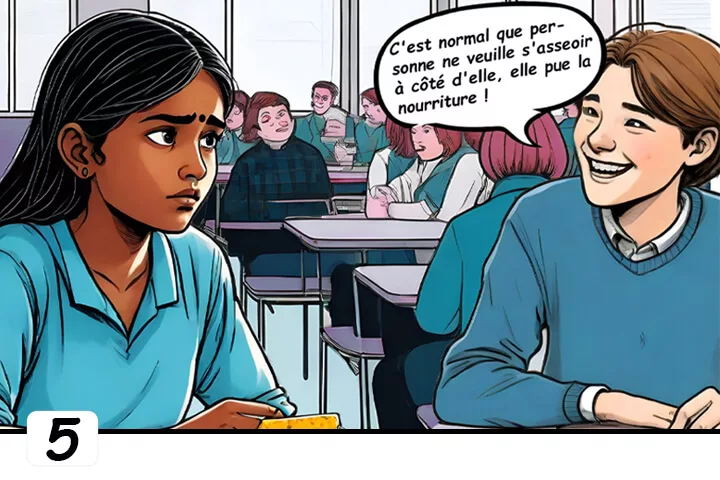
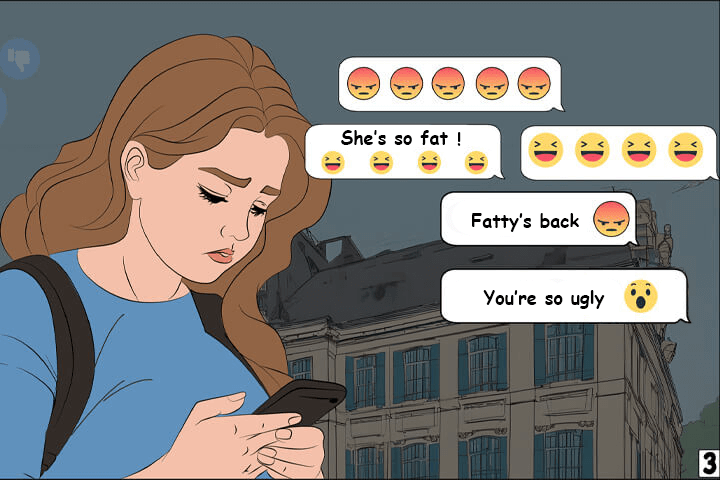
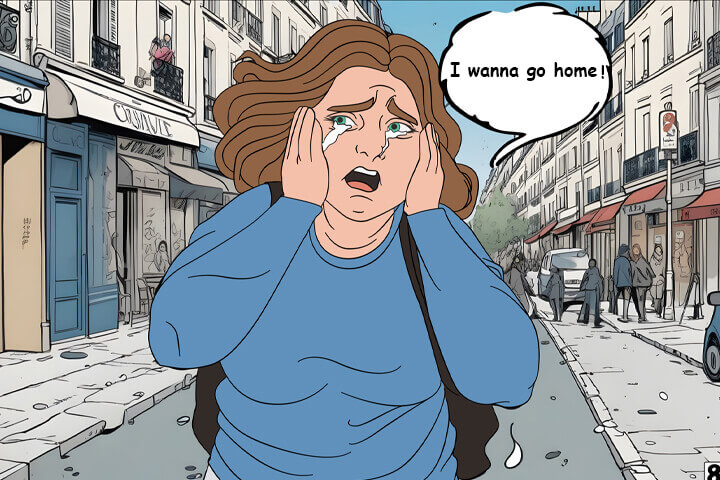
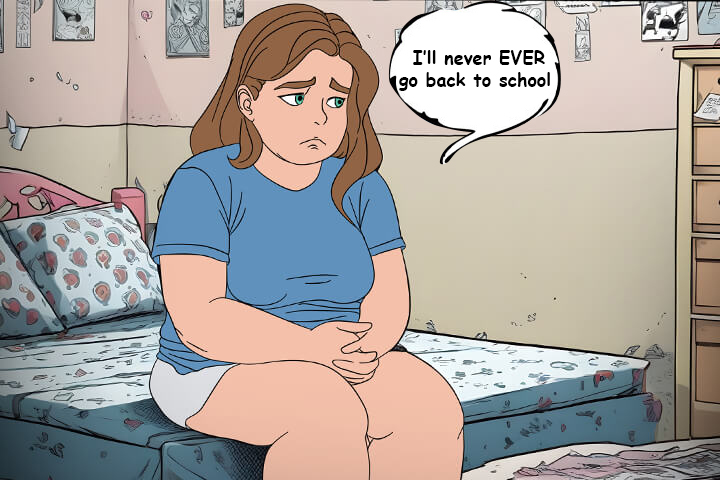
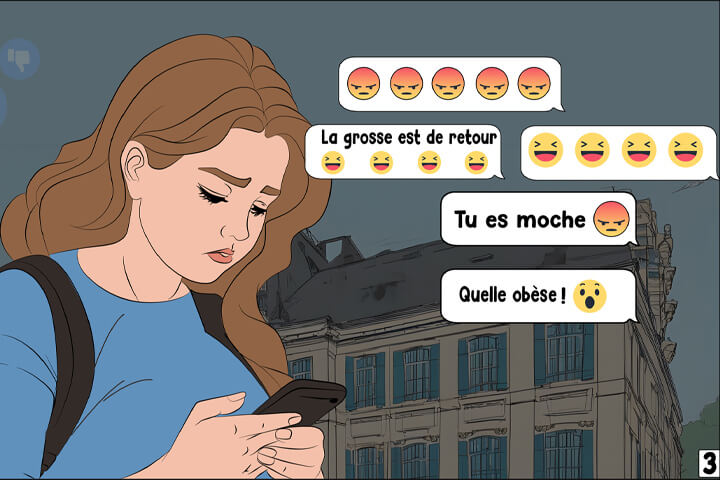
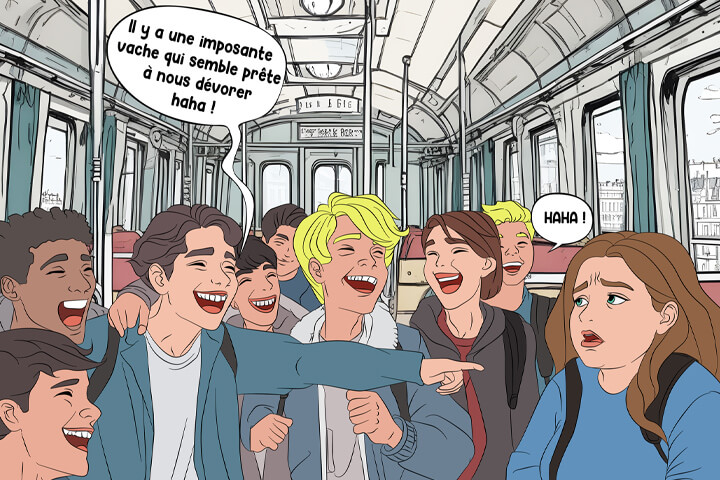
In schools, 1 in 5 young people is a victim of bullying. Faced with this reality, many schools multiply initiatives: a talk by a charity, a film, an awareness day. These actions are useful, but on their own they are quickly forgotten.
Bullying does not follow the calendar of awareness events. It builds up over weeks: in the groups that form at the start of the year, in the tensions that rise before report meetings, on social media during the holidays.
A yearly plan makes it possible to:
- create consistency: each action fits into a progression everyone knows;
- act at the right time: some periods of the year are riskier than others;
- involve everyone: leadership, teachers, student-life staff, students and families;
- measure progress: an assessment at the start of the year, a review at the end;
- meet institutional expectations, notably those of France’s pHARe anti-bullying programme, rolled out in primary and middle schools since 2022 and then in high schools.
Before you start: three foundations
An effective prevention plan rests on three elements, to be put in place at the end of the previous year or in the first weeks of September.
1. A clearly identified team. Appoint a small group of key people: a member of the leadership team, the head of student life, volunteer teachers, the school nurse or psychologist. Under pHARe, middle and high schools set up a resource team trained to handle bullying situations. This team steers the plan, follows up on cases and liaises with families.
2. A baseline assessment. You can only prevent what you know. An anonymous student survey, an analysis of last year’s incidents, a map of risky places and times (playground, canteen, changing rooms, school transport, online groups): this assessment becomes the benchmark for measuring progress in June.
3. A clear protocol. Who listens to the student? Who informs the families? Within what timeframe? When should the education authority or the justice system be alerted? The protocol for handling situations must be written down, known by all staff and displayed. Prevention is only credible if students know that a report will be taken seriously.
Overview: the year in 6 stages
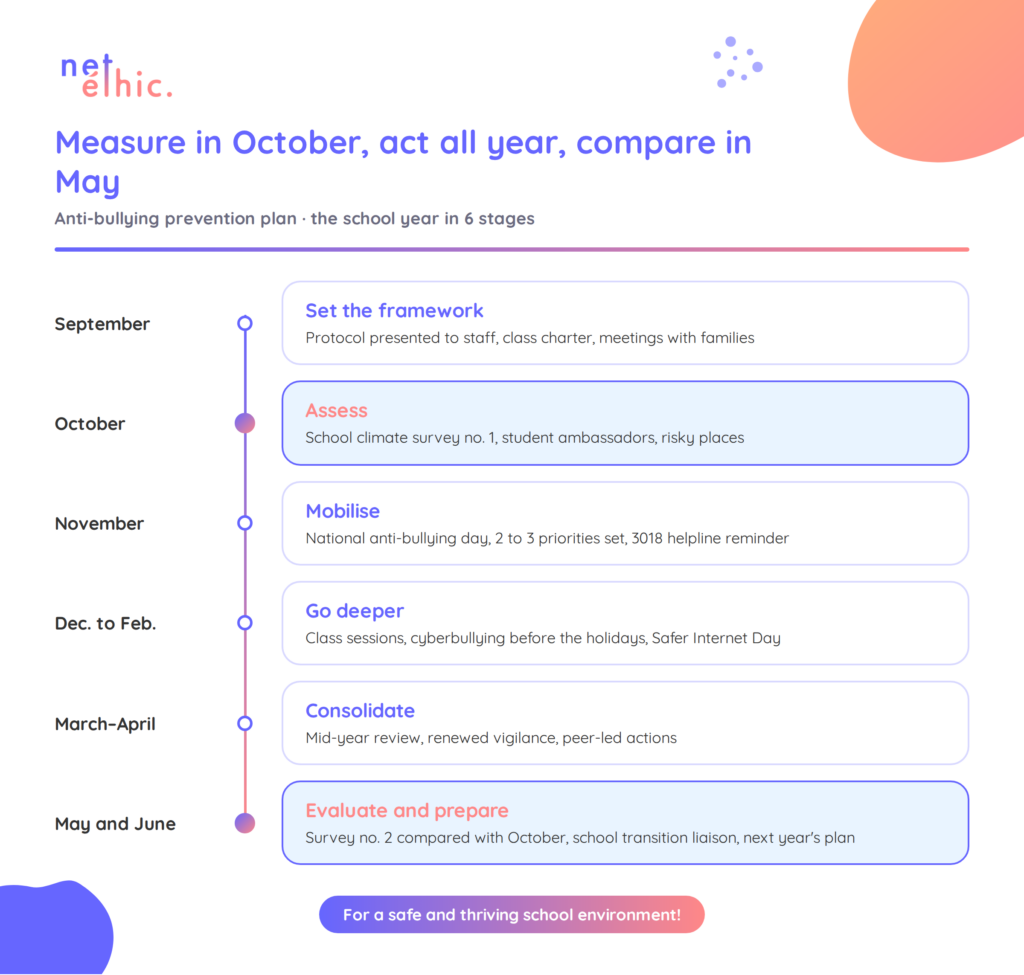
The two surveys, in October and May, frame the year: the first sets the priorities, the second measures progress and feeds into next year’s plan.
The plan month by month
Here is a sample calendar, to adapt to the size and level of your school.
September — Set the framework
- Present the plan and the protocol to all staff during the pre-term staff days.
- Include the fight against bullying in the school rules and remind students of it from the very first days.
- Devote a form period to writing a class charter for living together, drafted with the students.
- Present the scheme to families at the start-of-year meetings: who to contact, which signs to watch for.
- Pay particular attention to new students and entry-year classes (first year of middle school and of high school), where groups form.
October — Assess
- Run an anonymous survey on school climate and feelings of safety.
- Identify and train student ambassadors or peer mediators.
- Map risky places and times, then adjust supervision.
- Train new staff to spot weak signals.
November — Mobilise
- Make France’s national day against school bullying a key event: workshops, student-made posters, debates, talks.
- Share the results of the October survey with staff and set 2 or 3 priorities for the year.
- Remind students and families of the 3018 helpline and other sources of help.
December to February — Go deeper
- Run the planned awareness sessions for each class (empathy, respect, relationships between girls and boys).
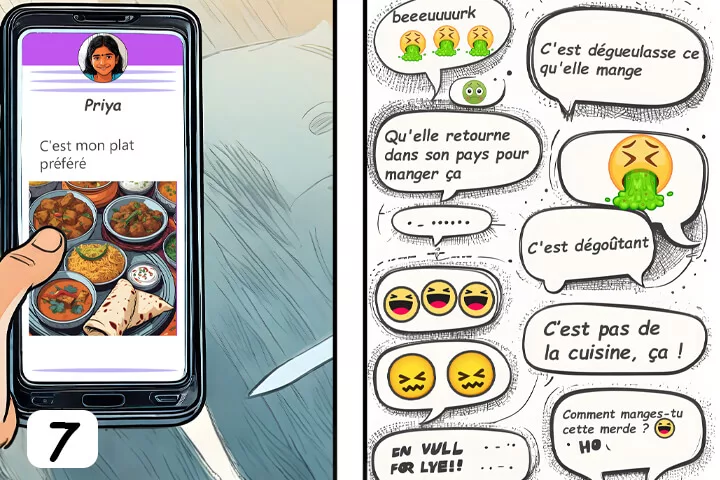
- Tackle cyberbullying before the end-of-year holidays, when students spend more time online: class group chats, social media, AI-manipulated images.
- Use Safer Internet Day, in February, as a second key digital event.
- Review the cases handled during the first-term report meetings.
March and April — Consolidate
- Hold a mid-year review with the resource team: what works, what needs to change.
- Step up vigilance again: spring is often a time of tension (fatigue, exams, entrenched conflicts).
- Involve student ambassadors in peer actions: tutoring, playground activities.
- Organise a discussion with parent representatives.
May and June — Evaluate and prepare next year
- Run the school climate survey again and compare it with October.
- Take stock: number of situations reported, handling times, actions carried out.
- Prepare transitions: primary-to-middle school and middle-to-high school liaison, handover of information on vulnerable students.
- Raise awareness before the summer: bullying can continue online during the holidays.
- Write next year’s plan based on the review.
Involving everyone
A plan carried by a single person soon runs out of steam. Each stakeholder has a specific role to play.
Stakeholder | Role in the plan |
|---|---|
Leadership team | Owns the plan, guarantees the protocol, decides on resources and sanctions |
Resource team | Runs the actions, handles cases, tracks the indicators |
Teachers and form tutors | Spot weak signals in class, lead form periods |
Student-life staff | Supervise risky places, listen to students |
Nurse, psychologist, social worker | Support victims and perpetrators |
Student ambassadors | Pick up on tensions, raise awareness among peers, point students to adults |
Families | Notice changes at home, report, pass on prevention messages |
Canteen, cleaning and transport staff | See moments when f |
Bystanders are often the key. Most bullying happens in front of other students. Teaching them not to laugh, not to share and to alert an adult profoundly changes the group dynamic.
Measuring and adjusting
What isn’t measured doesn’t improve. A few simple indicators are enough to steer the plan:
Indicator | How to track it | When |
|---|---|---|
Students’ sense of safety | Anonymous school climate survey | October and May |
Number of situations reported | Log kept by the resource team | Every term |
Time to respond | Time between the report and the first meeting | Every term |
Situations resolved | Share of cases with no repeat after 1 month | Every term |
Actions carried out | Number of sessions and classes reached | End of year |
Absenteeism | Monitoring of repeated absences, a possible sign of distress |
A rise in reports is not necessarily bad news. It often means students trust adults more and finally dare to speak up.
Mistakes to avoid
- Betting everything on the November day. A one-off event with no follow-up gives the impression the issue has been dealt with, when it has only just begun.
- Forgetting the digital side. Much bullying continues online, in the evenings and at weekends. The plan must take this into account.
- Only talking to victims. Perpetrators and bystanders need support too, otherwise situations repeat themselves.
- Leaving the plan in a drawer. It must be known, displayed, and brought up at staff and governing board meetings.
- Skipping the review. Without comparing October and June, there is no way of knowing whether the actions worked.
Conclusion: school bullying prevention plan
A yearly prevention plan turns the fight against bullying into a shared culture. By setting the framework in September, mobilising everyone throughout the year and measuring results in June, your school gives itself the means to act early, before situations take hold.
That is exactly Netethic’s goal: making the first signs of bullying detectable, at school and online, so that schools can act as quickly and effectively as possible.
Where to start? Assessment is the first step of any plan. Request your free school climate audit: a member of our team assesses the risks in your school and helps you set your priorities for the year.