
Humor and school bullying: understanding the boundary between joke and harm
Learn how to distinguish harmless humor from school bullying, identify signs of psychological harm in children, and take action to prevent and protect.



Learn how to distinguish harmless humor from school bullying, identify signs of psychological harm in children, and take action to prevent and protect.
School bullying is now a major issue in educational settings, and statistics show that it affects a growing number of children. Among the victims, students with “dys” disorders—dyslexia, dyspraxia, dysphasia, dyscalculia, ADHD, or other neurodevelopmental disorders—are particularly at risk.
Bullying of teachers by students is a reality that remains too little studied. Mockery, insults, and threats weaken teachers every day and put the balance of the educational community at risk.

School bullying places teachers at the heart of a delicate responsibility: to observe, intervene, or protect. Their role, often weakened by a lack of training and support, nevertheless remains crucial in safeguarding students.
Analysis of the links between well-being, absenteeism, school dropout, and psychological distress to better understand educational success.
Youth mental health has become a major public health issue. Epidemiological studies conducted in France and across Europe highlight the scale of mental disorders among adolescents and young adults, as well as the social, educational, and environmental factors that influence their well-being.
Grade repetition, long presented as a tool for pedagogical remediation, is now widely criticized for its negative effects on students’ academic and psychological trajectories.

Bullying often leaves deep scars, both visible and invisible, that impact the way a person perceives themselves. Children who have been subjected to ridicule, cruel words, hurtful behavior may see their reflection in the mirror clouded by sadness and self-doubt. These emotional scars can feel insurmountable. Yet, it is possible
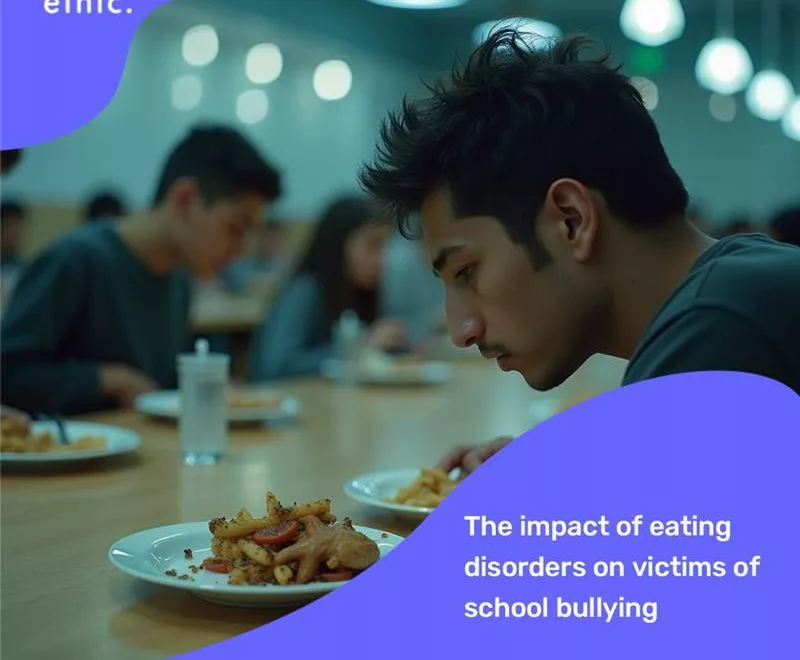
School bullying is a serious and often underestimated problem. It can have lasting effects on children’s physical and mental health. One of the most concerning warning signs that may slip under parents’ radar is related to food: sudden food cravings, changes in eating habits, or even the development of eating
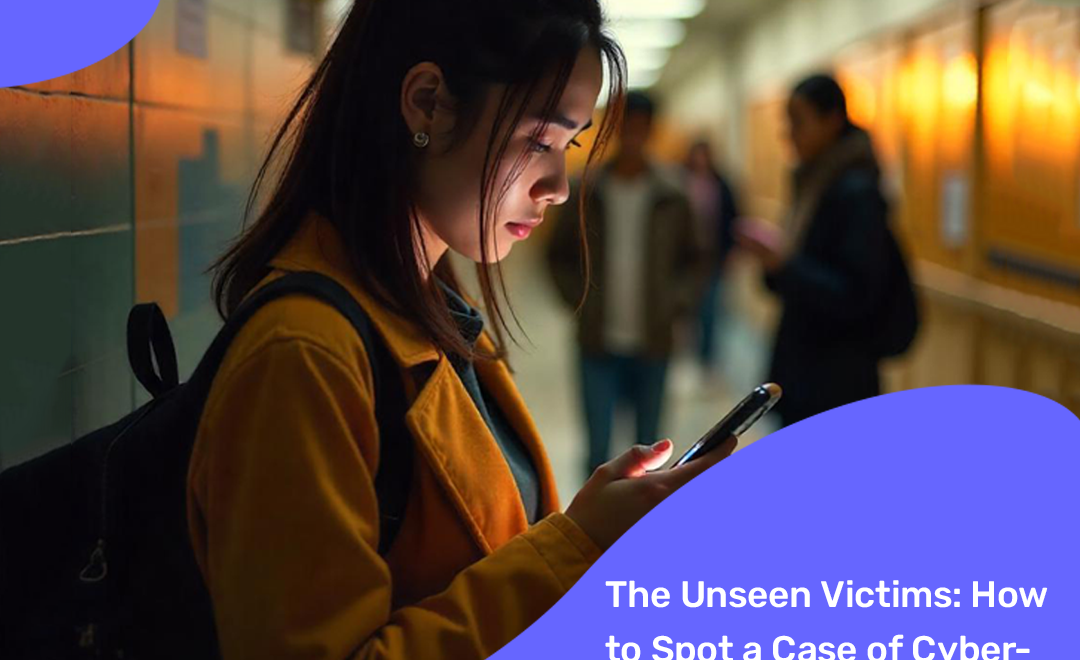
Cyberbullying is a scourge increasingly affecting a growing number of young people, especially students. Unlike more visible forms of bullying, such as physical aggression, cyberbullying often goes unnoticed, particularly by those not directly engaged in online interactions. Consequently, invisible victims of cyberbullying can be difficult to identify, as they often