

Social Dominance Theory Applied to School Bullying: Understanding Invisible Hierarchies Among Adolescents
School bullying is often analyzed through the lens of individual behavior: one student attacks, another suffers. However, this interpretation remains incomplete. To deeply understand the mechanisms of school violence, it is essential to adopt a socio-psychological approach. Social Dominance Theory provides a particularly relevant analytical framework. It explains how social hierarchies are constructed within adolescent groups and why certain students become primary targets.

What is Social Dominance Theory?
Social Dominance Theory, developed in social psychology, posits that human societies naturally organize themselves into hierarchies. Certain groups or individuals occupy dominant positions, while others are relegated to subordinate roles.
In a school context, this dynamic is reproduced on a smaller scale. The classroom becomes a social microcosm where students seek to position themselves, gain status, and avoid marginalization. School bullying thus emerges not as a mere lapse in behavior, but as a tool for social regulation.
The Construction of Hierarchies Among Adolescents
A Quest for Social Status
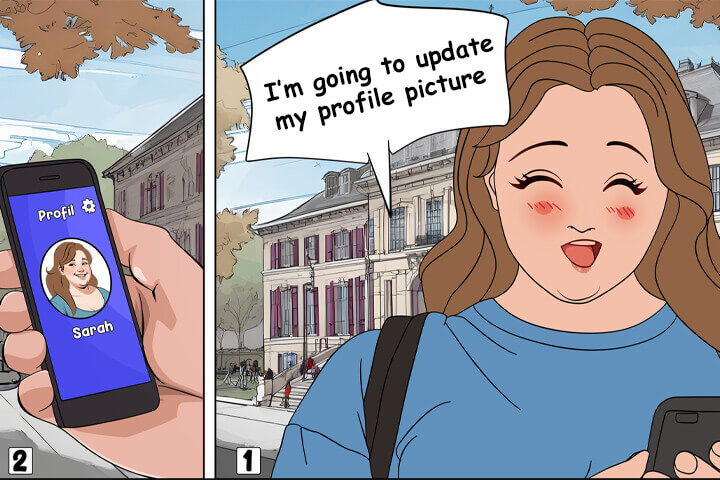
Adolescence is a period marked by an intense need for recognition. Students seek to exist in the eyes of others, to be accepted, and to be valued. This quest leads to the formation of implicit hierarchies.
Several criteria heavily influence social status:
Physical appearance
Social skills
Popularity
Conformity to group norms
Students who meet these criteria occupy dominant positions. Conversely, those who deviate from them become more vulnerable.
The Role of the Group in Hierarchization
The group plays a central role in constructing these hierarchies. Collective norms determine what is valued or rejected. In this context, bullying becomes a means of reinforcing these norms.
For example, a student perceived as “different” may be targeted not for what they do, but for what they represent: a deviation from the group norm.
Bullying as a Tool for Social Domination
A strategy to maintain or improve one’s status
From this perspective, school bullying can be understood as a social strategy. The student who bullies is not only trying to hurt others, but also to strengthen their position within the hierarchy.
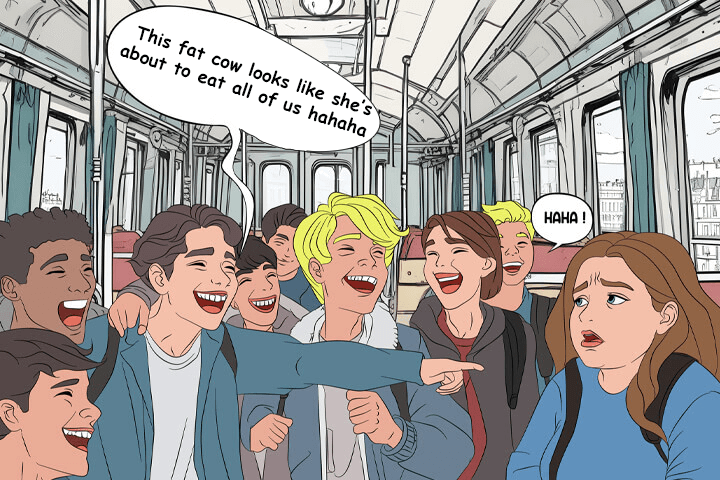
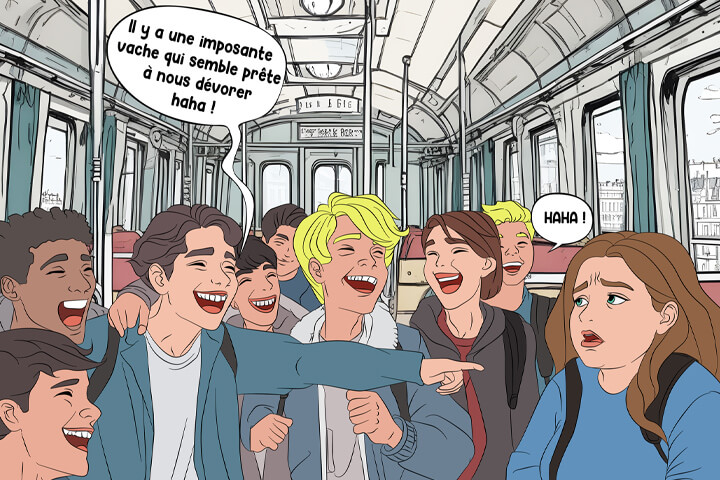
Making the group laugh, attracting attention, or demonstrating a form of power are all possible motivations. The laughter of other students acts as a form of social validation, reinforcing the aggressive behavior.
The role of bystanders: involuntary accomplices
Bystanders occupy a key position. By laughing, remaining passive, or spreading mockery, they contribute to the dynamics of dominance.
This phenomenon is reinforced by:
the fear of becoming a target themselves,
the need to belong,
peer pressure.
Thus, bullying is never an isolated act, but a collective phenomenon.
Why are some victims targeted?
Vulnerable profiles in the social hierarchy
Within a social dominance framework, victims are often perceived as having low social power. This may be linked to:
low self-esteem,
relational difficulties,
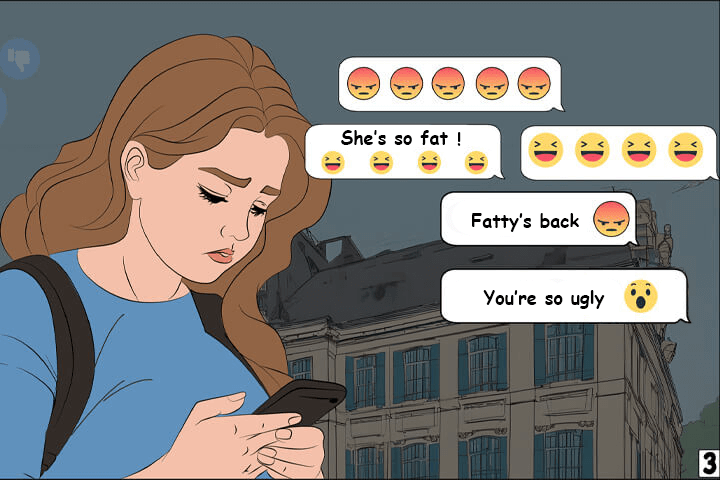
a visible difference (physical, cultural, or cognitive).
These characteristics do not cause bullying, but they make it more likely within a hierarchical system.
The social function of stigmatization
Bullying also serves to define the boundaries of the group. By excluding one person, the group strengthens its internal cohesion. The victim becomes a “social scapegoat,” allowing others to position themselves as belonging to the norm.
Consequences on the school climate
Hierarchies based on dominance have profound negative effects:
increased violence,
deterioration of the school climate,
reinforcement of social inequalities among students.
In the long term, this affects not only the victims, but the entire group as well.
How to act: toward dismantling toxic hierarchies
Working on group norms
To effectively combat bullying, it is essential to address collective norms. It is not enough to simply punish the aggressors; the culture of the group must be transformed.
This involves:
valuing diversity,
promoting empathy,
holding bystanders accountable.
Redefining sources of status
Schools can play a key role by changing the criteria for recognition. Rather than rewarding domination or popularity, it is possible to promote:
cooperation,
mutual support,
positive social skills.
Conclusion
Social dominance theory helps us understand that school bullying is not just an individual problem, but a structural phenomenon. It is embedded in power dynamics and hierarchies typical of adolescent groups.
Acting against bullying therefore also means addressing the invisible social structures that shape relationships among students. A comprehensive approach, involving the group as a whole, is essential to create a fairer and safer school environment.