

Relationship Between Self-Esteem and Academic Performance: A Multi-Cohort Analysis
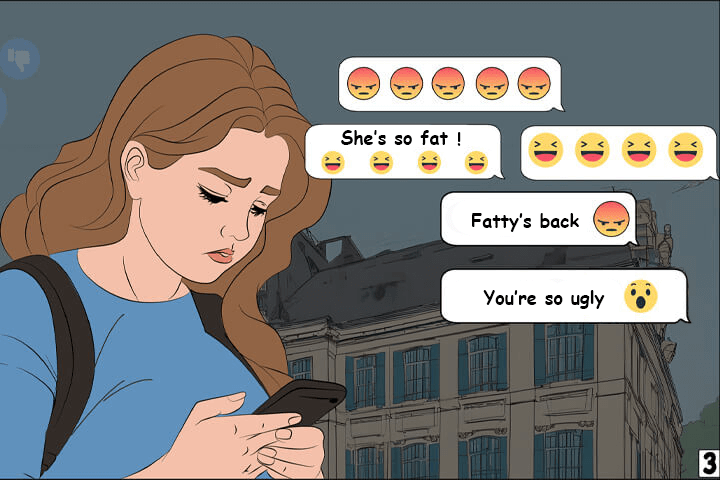
Self-esteem and academic performance are now a central focus of research in education sciences and psychology. Self-esteem, defined as an individual’s perception of their own worth and abilities, plays a decisive role in the psychological and academic development of young people. Numerous studies show that it is not merely an indicator of emotional well-being, but also a major predictive factor of academic success. A multi-cohort analysis, comparing several groups of students across different years and contexts, makes it possible to deepen our understanding of this complex relationship and to identify the levers likely to enhance engagement, motivation, and overall academic performance.
Link Between Self-Esteem and Academic Performance
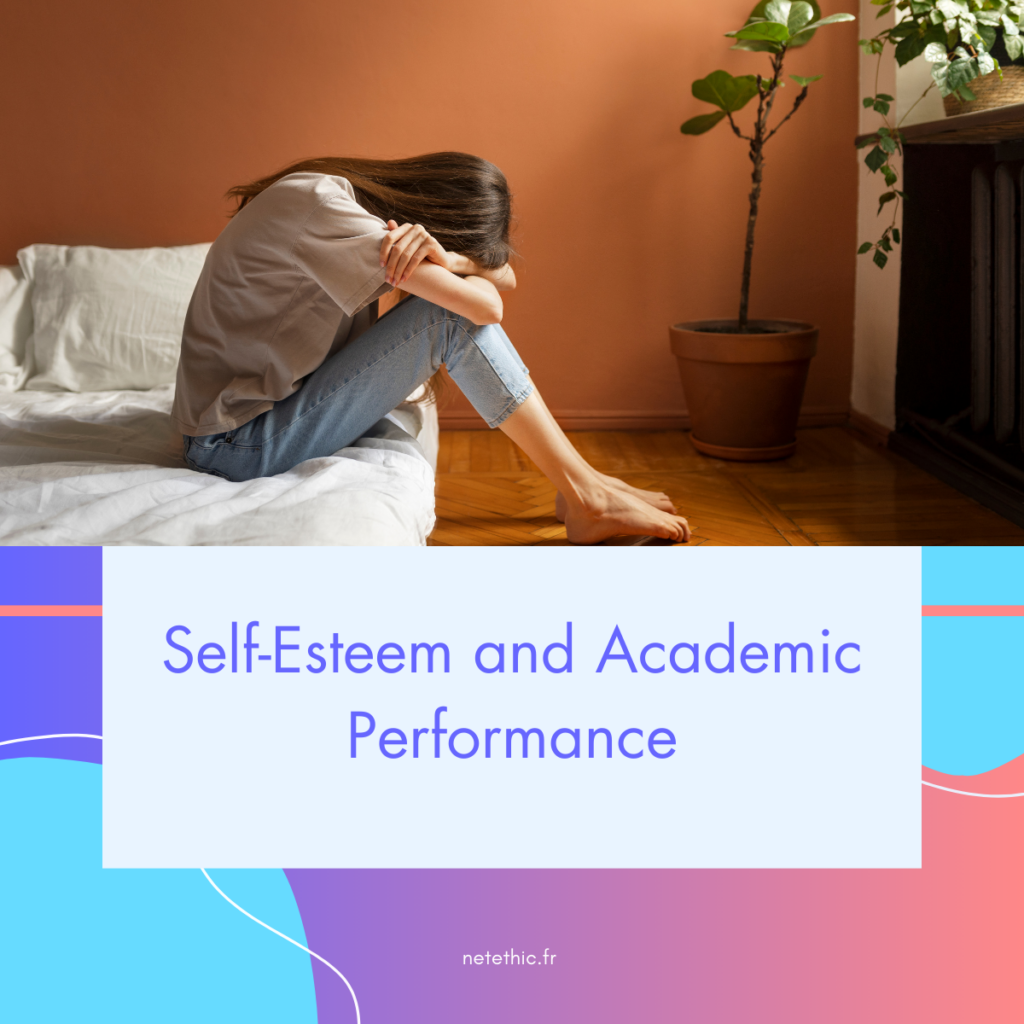
Self-esteem influences intrinsic motivation, perseverance, and the ability to cope with failure. Students with high self-esteem tend to set ambitious goals, use effective learning strategies, and maintain sustained engagement when facing academic challenges. Conversely, low self-esteem is often correlated with school dropout, procrastination, and performance anxiety.
A multi-cohort study conducted in France on more than 10,000 middle and high school students revealed that students with average or low self-esteem achieved grades 15 to 20% lower than those of their peers with high self-esteem, all other variables being controlled (socioeconomic status, class size, and subjects studied). These findings confirm that the perception of one’s own abilities can have a measurable impact on academic performance.
Underlying Psychological Mechanisms
Several mechanisms explain why self-esteem influences academic success:
Resilience in the face of failure: Confident students view mistakes as learning opportunities rather than personal threats.
Motivation and engagement: High self-esteem fosters intrinsic motivation, which is more sustainable than extrinsic motivation based on rewards or fear of failure.
Learning strategies: Students with high self-esteem adopt active problem-solving methods and participate more in collaborative activities.
Variations Across Cohorts
Multi-cohort analysis shows that the relationship between self-esteem and academic performance can vary according to:
Age and grade level: The impact of self-esteem is more pronounced in middle school than in high school, a period when adolescence heightens sensitivity to evaluations and peer judgment.
Gender: Some studies indicate that self-esteem affects boys and girls differently, with a stronger effect on girls in STEM subjects.
Socioeconomic context: Students from disadvantaged backgrounds are more vulnerable to low self-esteem, which amplifies performance gaps.
Implications for Educational Policy
These observations have major implications for school policies and teaching practices:
Self-esteem enhancement programs: Workshops on self-confidence, peer or teacher mentoring, and individualized constructive feedback.
Supportive educational environments: A school culture that values effort, progress, and collaborative learning helps maintain positive self-esteem.
Individualized monitoring: Identifying students with low self-esteem early in middle school can help prevent dropout and improve overall academic performance.
Conclusion
Multi-cohort analysis confirms that self-esteem is a strong predictor of academic performance, independent of socioeconomic or contextual factors. Investing in the emotional and psychological development of students is therefore just as crucial as improving curricular content. By fostering self-esteem in schools, it is possible to enhance academic achievement, reduce school-related stress, and prepare young people for more fulfilling educational pathways.