

Intersectional Approach to School Bullying: Understanding the Cumulative Vulnerabilities of Students
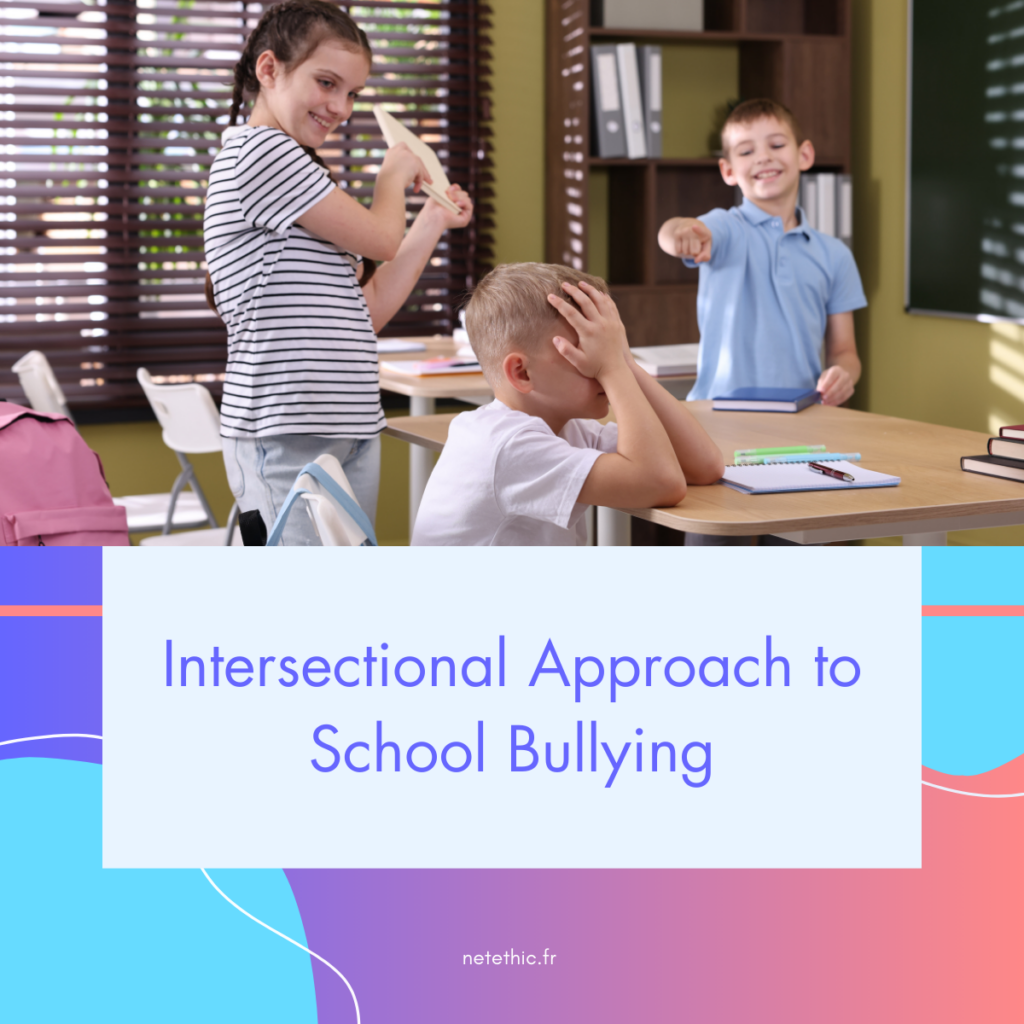
School bullying does not affect all students in the same way. Some children appear more exposed than others, and this is not a matter of chance. The intersectional approach helps to understand this complex reality by analyzing the interplay of multiple vulnerability factors: disability, gender, and social or cultural background. This perspective provides a more nuanced and accurate understanding of the mechanisms behind bullying.
What is the intersectional approach?
Intersectionality is a concept from the social sciences that examines how different forms of inequality combine. Rather than looking at factors in isolation, it focuses on their interaction.
In the school context, this means that a student may be vulnerable not for a single reason, but due to multiple cumulative factors.
The main dimensions of vulnerability
Disability and Neurodevelopmental Disorders
Students with “dys” disorders, ADHD, or other cognitive particularities are especially at risk. Their differences may be noticeable in their learning or behavior.
They may be perceived as:
“slow,”
“clumsy,”
“different.”
These perceptions often become grounds for teasing or mockery.
Gender and Social Norms
Gender norms strongly influence bullying dynamics. For example:
Boys may be targeted if they do not meet expectations of masculinity.
Girls may face judgment related to their appearance or behavior.
Bullying then becomes a tool for enforcing social norms.
Social and Cultural Background
Students from disadvantaged backgrounds or cultural minorities may be stigmatized for:
Their accent,
Their clothing,
Their cultural habits.
These differences increase their exposure to bullying.
The phenomenon of cumulative vulnerabilities
Increased Exposure to Risk
When multiple factors combine, the risk of bullying rises significantly. For example, a student may be simultaneously:
Living with a dys disorder,
From a disadvantaged background,
Perceived as different in terms of gender.
These dimensions do not simply add up—they reinforce each other.
Invisibility of Situations
Students with multiple vulnerabilities are often less heard. Their situation may be misunderstood or minimized because it does not fit the “typical” victim profile.
Specific Consequences of Intersectional Bullying
The effects of bullying are amplified in these situations:
Significant drop in self-esteem,
Social isolation,
Increased risk of school dropout.
The child may develop a deep sense of injustice related to their identity.
Limitations of Traditional Prevention Approaches
Anti-bullying policies often adopt a generalist approach and do not always take into account the diversity of student profiles.
However, a one-size-fits-all strategy cannot effectively address such complex situations.
Towards Inclusive and Tailored Prevention
Individualizing Interventions
It is essential to tailor responses according to students’ profiles. This involves:
Better understanding of vulnerability factors,
Individualized monitoring,
Collaboration with families.
Training Teachers on Intersectionality
Teachers need to be made aware of these issues to better identify at-risk situations. Understanding the mechanisms of intersecting discrimination allows for more effective action.
Promoting an Inclusive School Culture
Schools should value diversity in all its forms. This includes:
Inclusive educational programs,
Awareness campaigns,
Positive representation of differences.
Conclusion
The intersectional approach allows us to move beyond a simplistic view of school bullying. It highlights the complexity of the situations experienced by the most vulnerable students.
Understanding cumulative vulnerabilities is essential for developing fairer and more effective educational policies. Protecting all students requires careful consideration of their realities to ensure a truly inclusive and respectful school environment.