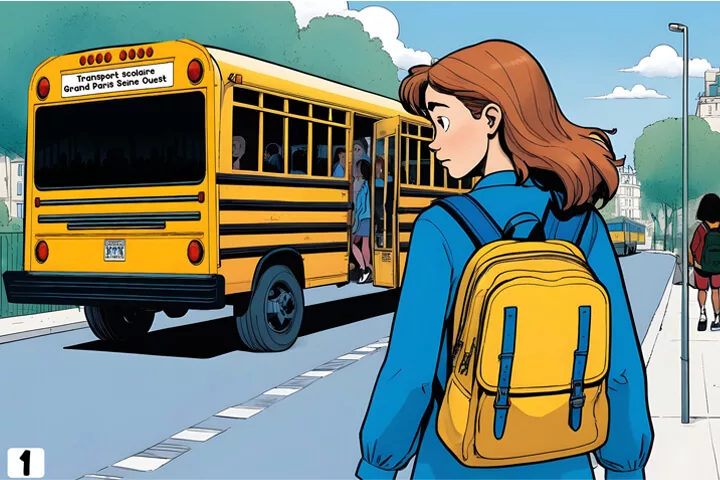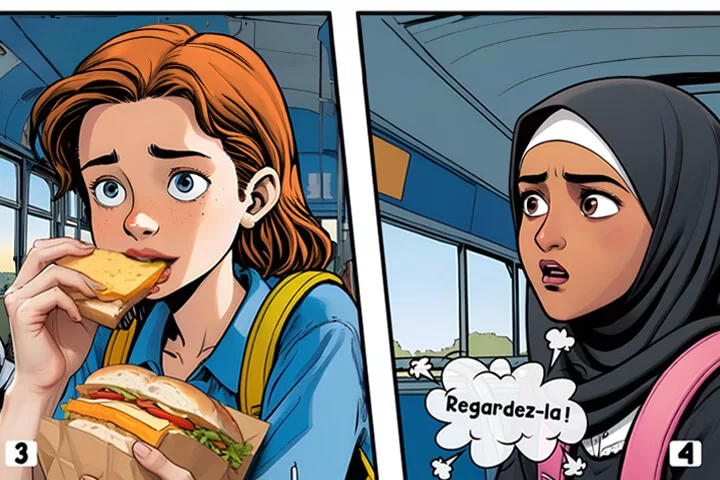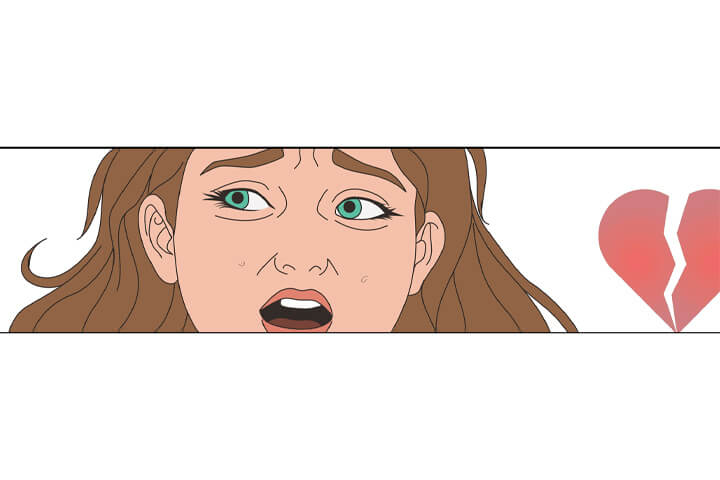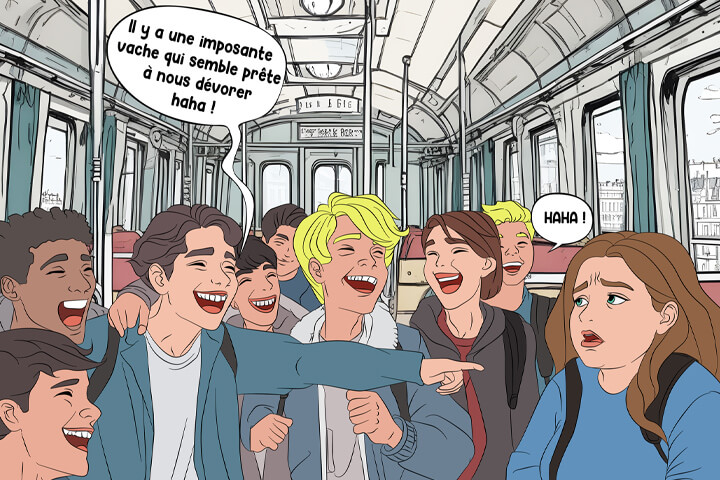


The Transition from Primary to Middle School: a Critical Moment Leading to School Bullying
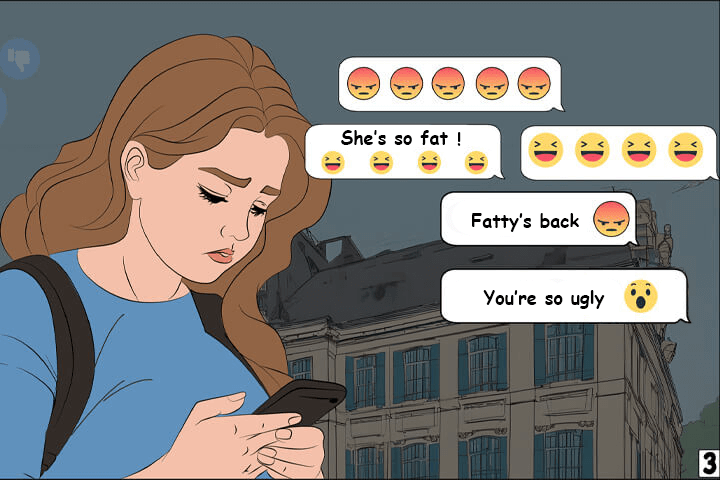
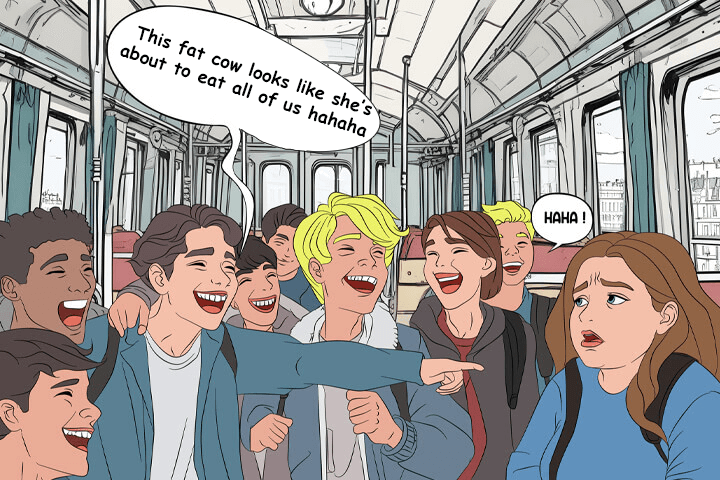
The transition from primary to middle school marks a pivotal stage in children’s education. Often seen as a natural progression toward greater autonomy and maturity, this change also represents a period of significant psychological and social vulnerability. Adolescence and bullying thus become central issues: numerous studies and field observations show that this transition corresponds to a peak in the risk of school bullying. Loss of familiar routines, reorganization of social groups, and abrupt hierarchies make middle school a heightened environment for peer violence for some students.
A School Disruption Deeper Than It Seems
The transition to sixth grade is not simply a continuation of schooling. It represents a structural break:
change of school;
multiple teachers;
increased number of students;
new implicit and explicit rules;
greater expected autonomy.
For many children, these changes occur while their emotional development is still fragile. At 10–11 years old, children enter preadolescence, a stage marked by heightened sensitivity to others’ opinions, increased fear of exclusion, and a strong need for social recognition.
This fragility creates a fertile ground for the emergence of school bullying.
Loss of bearings and social insecurity
In primary school, students operate within a relatively safe environment: a single classroom, a main teacher, and a stable group. In middle school, these familiar reference points suddenly disappear. Students must navigate multiple classes, several adults, and various spaces, often without sufficient support.
This loss of bearings can lead to:
anxiety;
decreased self-confidence;
difficulty finding their social place.
The most quiet, anxious, atypical students or those with differences (such as learning disabilities, ADHD, hypersensitivity, or minority social or cultural backgrounds) then become more visible… and more vulnerable.
Reorganization of Social Hierarchies: The Law of the Group
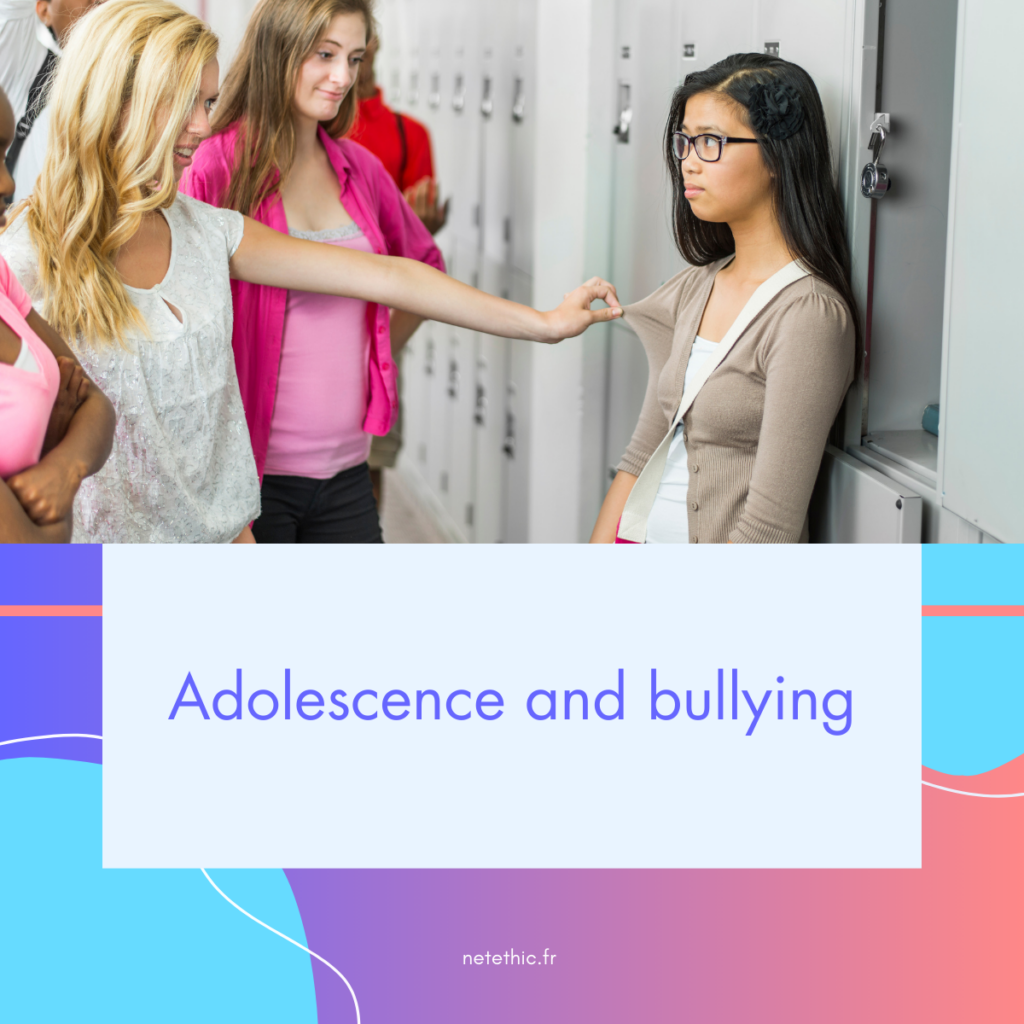
Middle school is a space of rapid social reshuffling. Former primary school groups break apart, new alliances form, and an implicit hierarchy is established very early on. In this context, bullying often serves a functional role: it allows some students to assert their position, gain visibility, or strengthen group cohesion at the expense of a targeted student.
Bullying thus becomes:
a tool of domination;
a way to exist socially;
a mechanism for regulating the group.
“Different” students, or those perceived as weak, are more frequently singled out—not for what they do, but for what they represent in this new social organization.
Entering Sixth Grade: A Statistical Peak in Bullying
Data from national and international surveys show that the early years of middle school account for a large proportion of bullying incidents. This increase can be explained by several combined factors:
initial lack of adult supervision;
difficulty in identifying emerging violence;
normalization of teasing;
absence of strong bonds between students.
Bullying often begins insidiously: nicknames, laughter, exclusion, repeated comments. It is rarely reported immediately, as students hope “it will pass” or fear making the situation worse.
The Crucial Role of Adults… and Their Limits
Teachers and educational staff play a key role during this transition phase. Yet, the very structure of middle school makes it harder to identify bullying:
teachers see students less frequently;
behaviors shift outside the classroom (hallways, playground, transportation, online);
students do not always identify a trusted adult to turn to.
When early warning signs are not taken seriously, bullying can become entrenched. The lack of prompt intervention reinforces the perpetrators’ sense of impunity and the victim’s isolation.
Preventing Bullying from the Start of Middle School
Bullying prevention should begin even before students enter sixth grade. Research shows that the most protective schools are those that:
emotionally prepare students for the transition;
explicitly teach rules of respect and cooperation;
establish identified adult mentors;
value the diversity of student profiles.
Programs such as gradual orientation periods, discussion groups, cohesion projects, or supervised peer mediation can significantly reduce the risks of bullying.
Conclusion: Adolescence and Bullying
The transition from primary to middle school is a critical tipping point. It is neither inevitable nor a simple academic adjustment, but a major social transition that can leave some students deeply vulnerable. Understanding the underlying mechanisms allows for better prevention of school bullying and protection of the most at-risk students. Early, collective, and systematic action is the only way to turn this moment of disruption into a genuine educational opportunity.