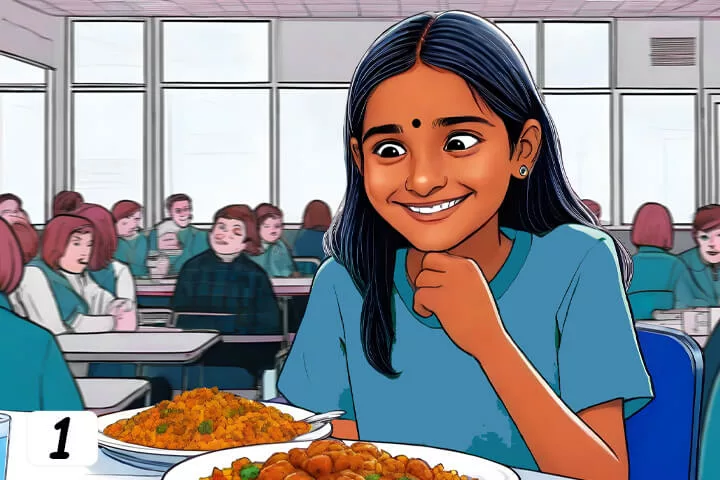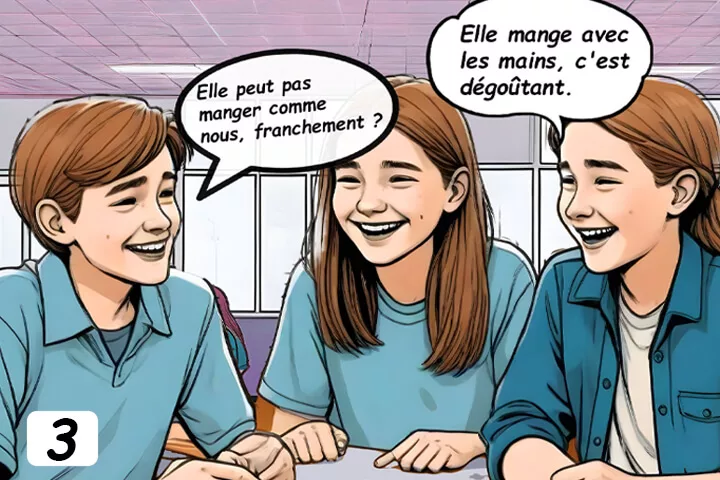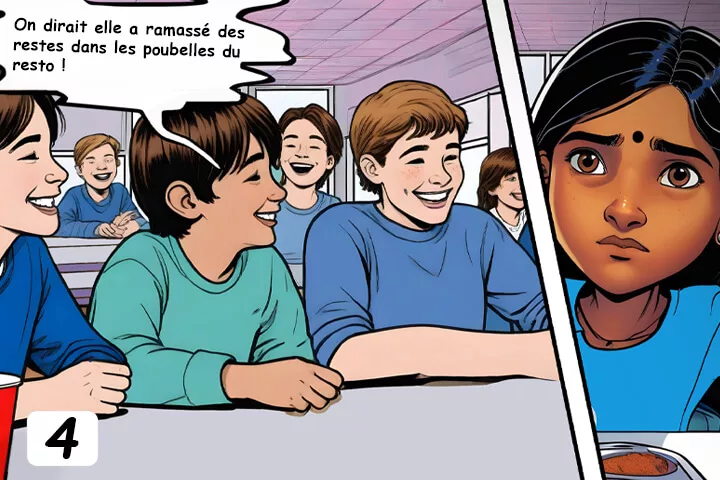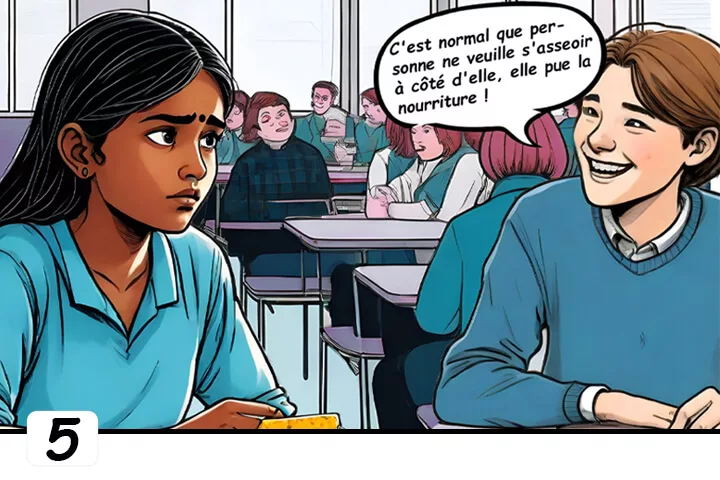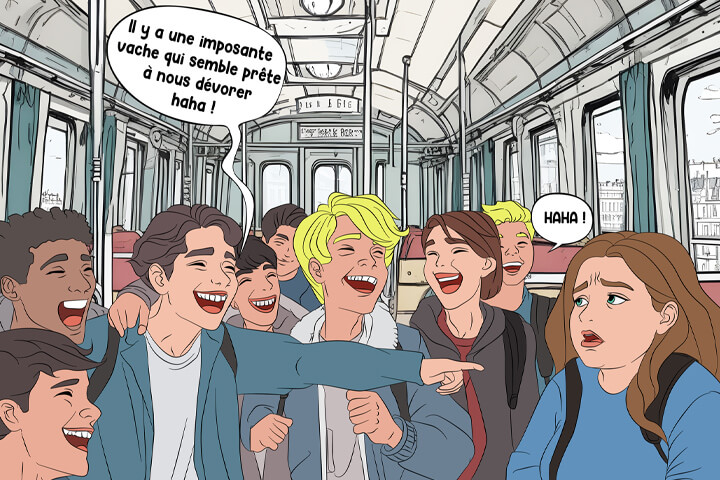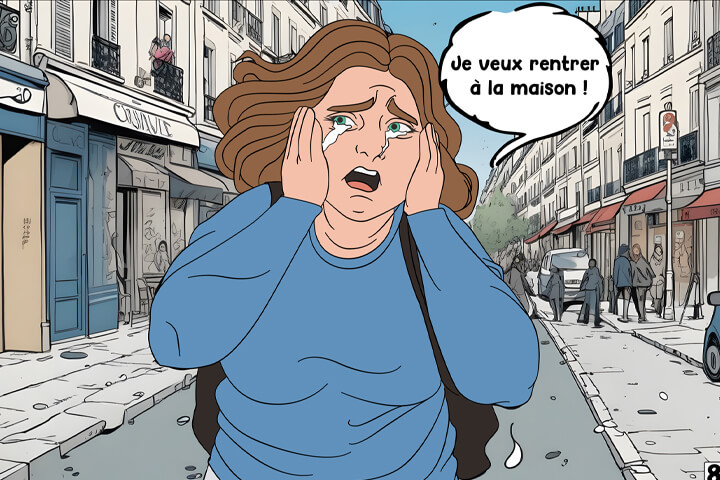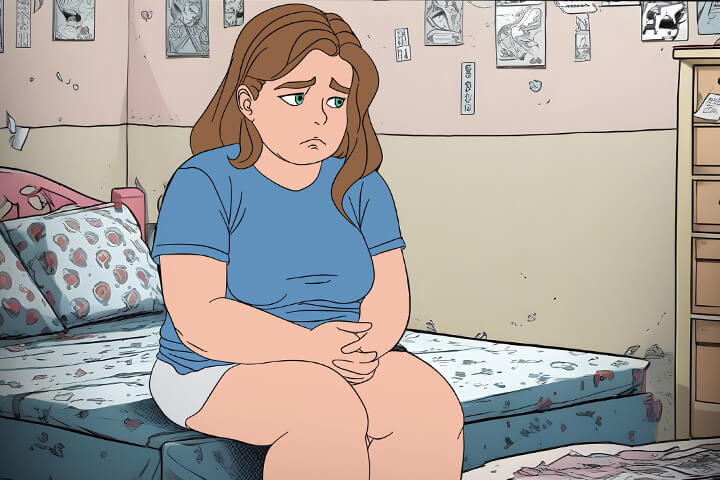


School cafeterias and dynamics of exclusion: a blind spot in bullying
The fight against school bullying often focuses on the classroom, the playground, or social media. Yet one key space remains largely underestimated: school cafeterias. As a daily place of socialization, they also serve as a stage where dynamics of inclusion and exclusion play out in particularly visible ways.
In this less supervised environment than the classroom, students build social relationships that can sometimes become sources of distress. This article explores the mechanisms of exclusion in cafeterias and their impact on children.
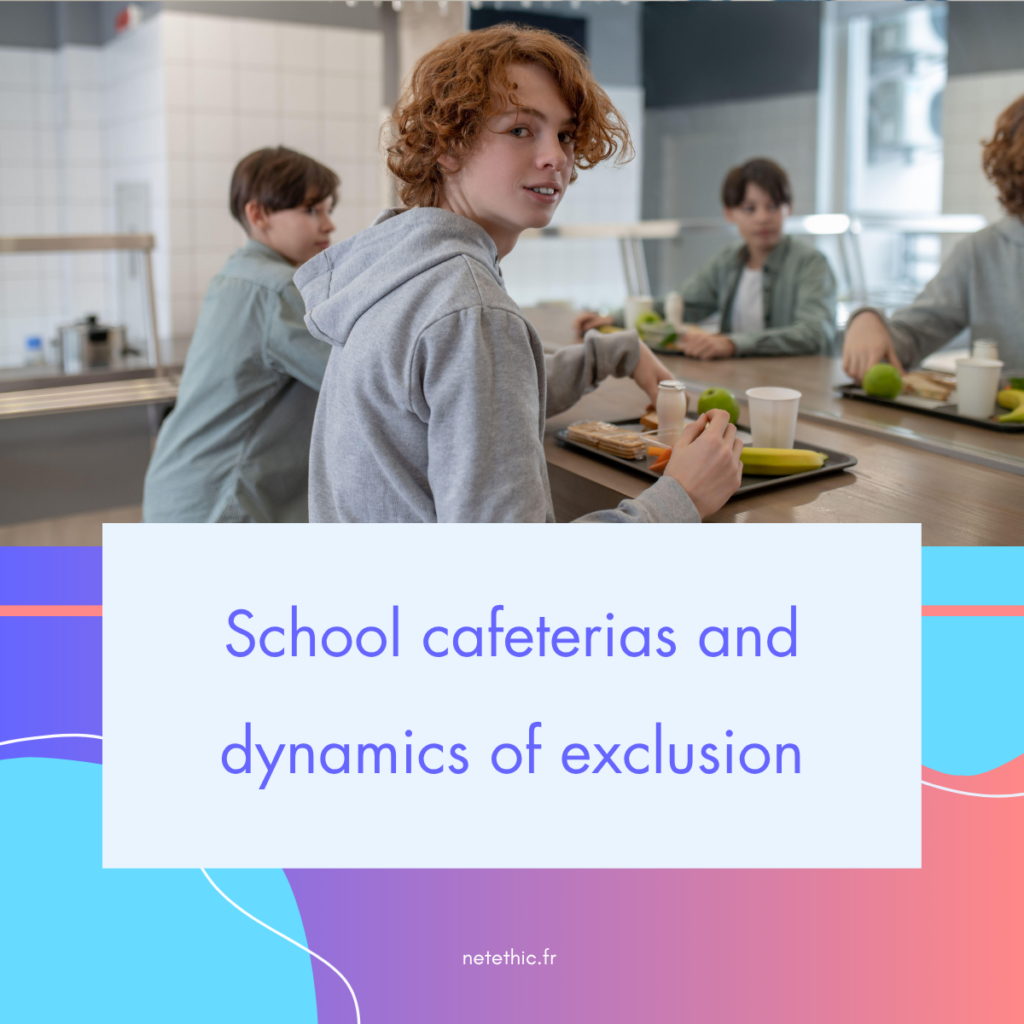
The cafeteria: a unique social space
Unlike the classroom, the cafeteria is based on:
- a relative autonomy of students;
- less individualized supervision;
- strong group dynamics.
Students must:
- choose where to sit;
- find their place within a group;
- manage social interactions without a structured educational framework.
For some children, especially the most vulnerable, this situation can generate significant stress.
Forms of exclusion in school cafeterias
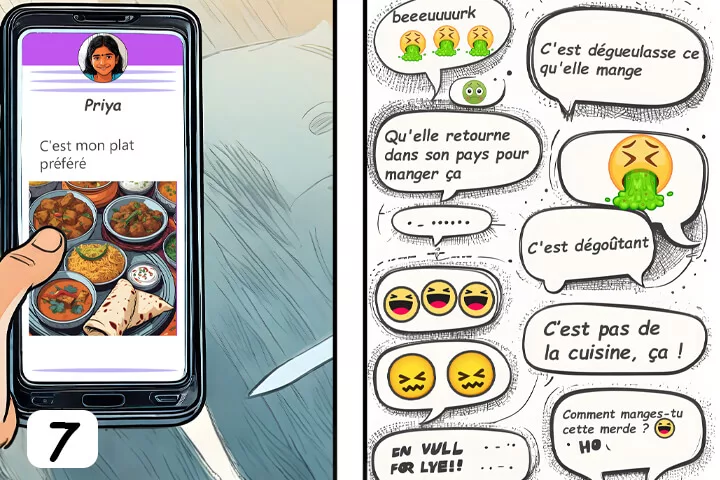
Direct exclusion: refusing to let a student sit at a table, explicitly telling them they are not welcome.
Indirect exclusion: ignoring their presence, not speaking to them, avoiding any contact.
Avoidance strategies: deliberately changing seats, forming closed groups, reserving specific places.
Why does the cafeteria encourage these dynamics?
- Lack of structure: fewer explicit rules mean more freedom, but also greater risk of exclusion.
- Social pressure: the cafeteria is a moment when group belonging becomes very visible (“Who do I eat with?”).
- Social hierarchies: some groups become “dominant,” while others are marginalized.
The most at-risk profiles
Some children are more exposed:
- children with learning differences (Dys) or neurodivergent profiles;
- shy or anxious students;
- new arrivals;
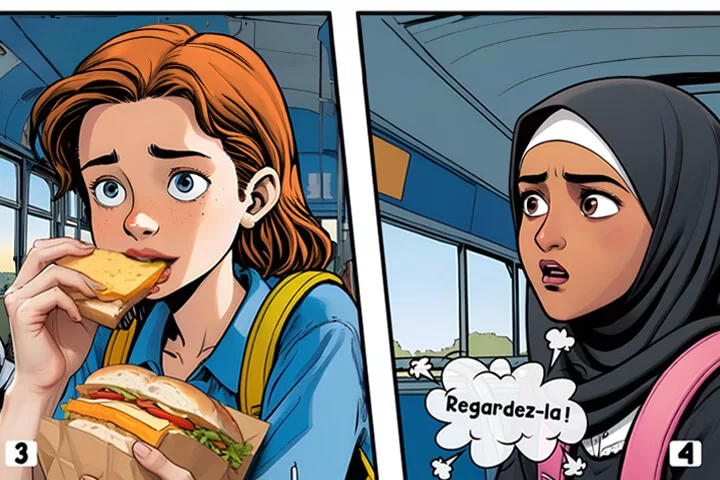
- students perceived as “different.”
Consequences of exclusion in the school cafeteria
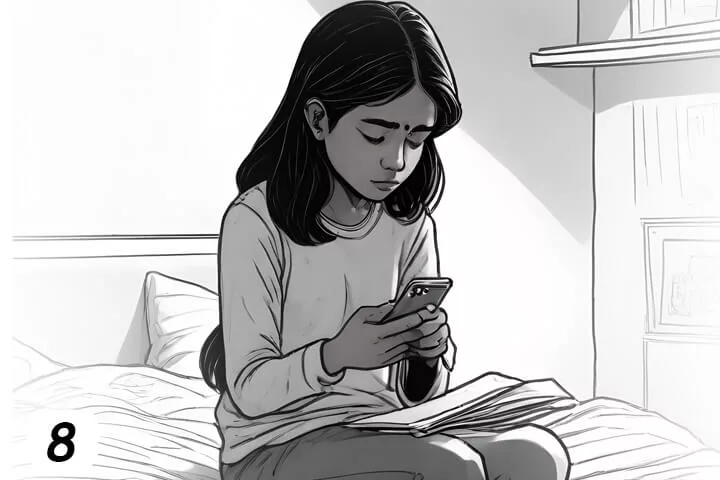
- Emotional impact: loneliness, sadness, anxiety.
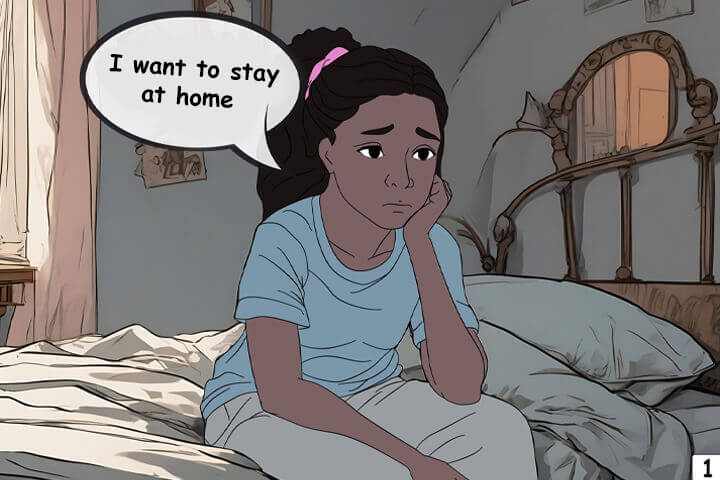
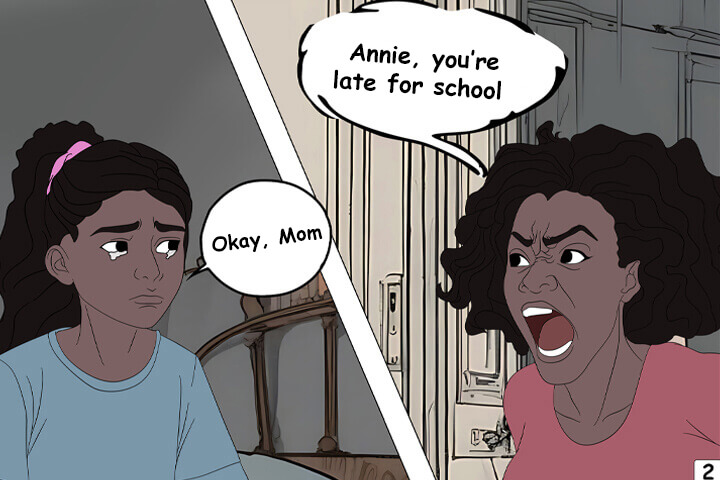
- Impact on the relationship with school: fear of mealtimes, desire to avoid school, gradual social isolation.
- Impact on self-esteem: the child may start to think: “I am not interesting,” “Nobody wants me.”
Signs to look out for
- The child never talks about the cafeteria.
- They say they eat alone.
- They ask to avoid the cafeteria.
- They seem stressed before mealtime.
How to prevent these situations?
- Structuring spaces: rotating seating, supervised tables, and organized activities.
- Raising student awareness: promoting inclusion and respect for others.
- Training staff: cafeteria personnel play a key role in detecting and addressing exclusion.
- Encouraging positive interactions: group games and collaborative projects.
The role of parents
Parents should:
- ask open-ended questions about mealtimes;
- observe changes in behavior;
- alert the school if necessary.
Conclusion
School cafeterias are far more than just places to eat: they are social spaces where essential relationships are formed. Ignoring the exclusion dynamics that take place there means overlooking a significant part of school bullying.
To protect children, it is essential to broaden our perspective and include these everyday spaces in prevention strategies. Creating an inclusive cafeteria means contributing to a safer and more supportive overall school environment.